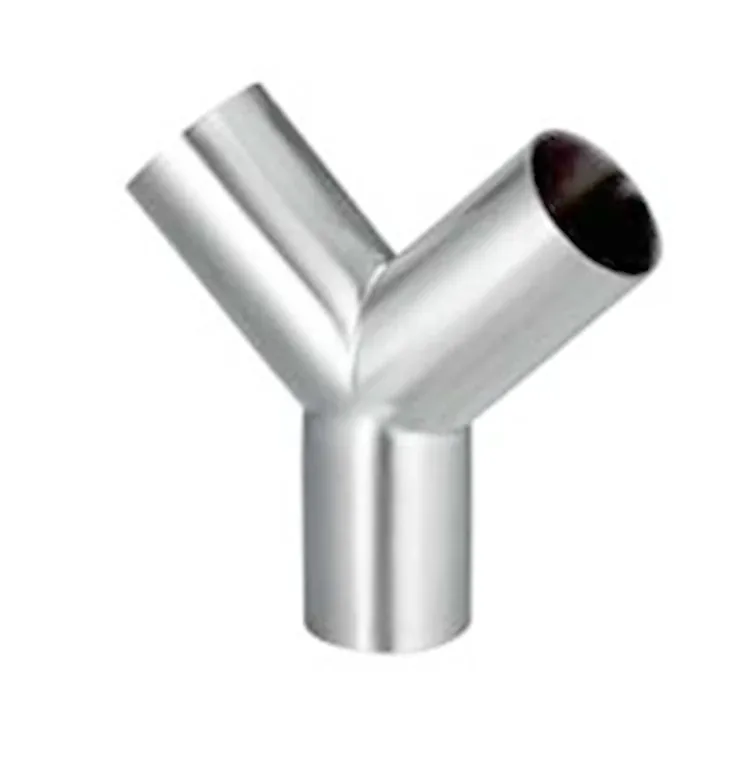
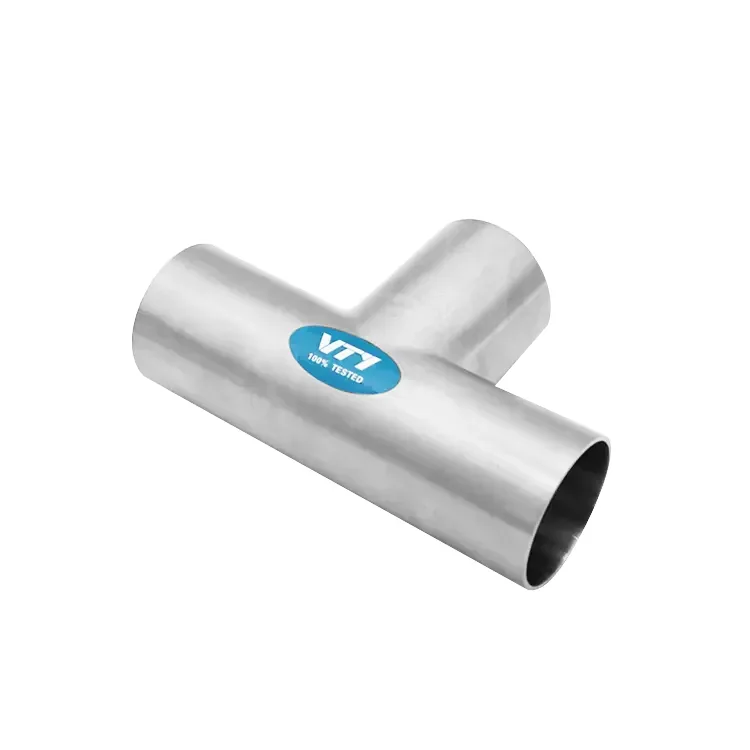
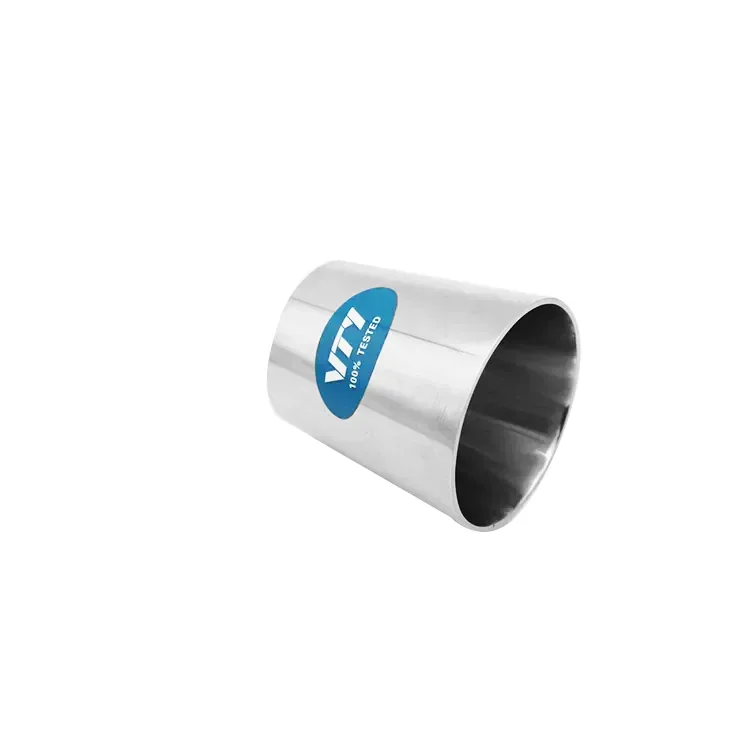
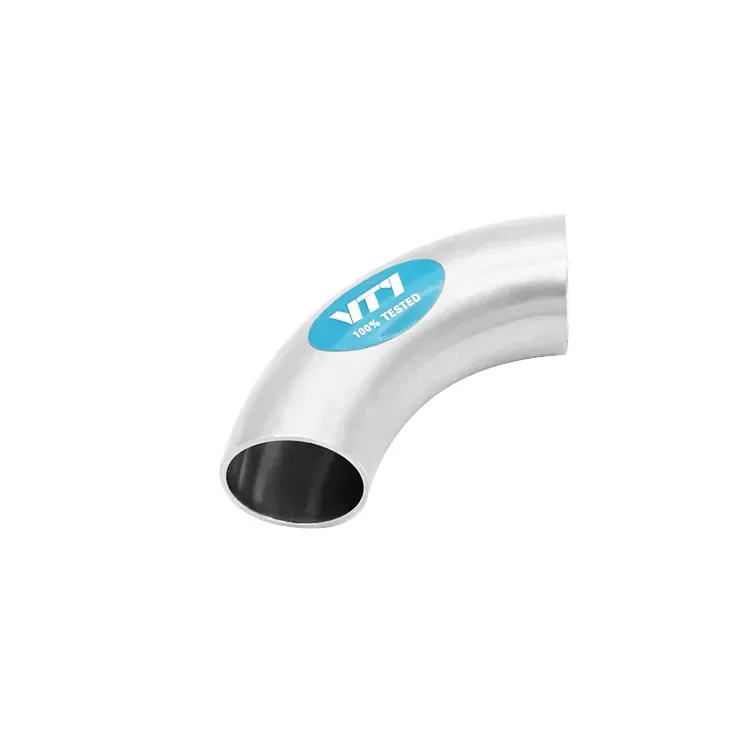
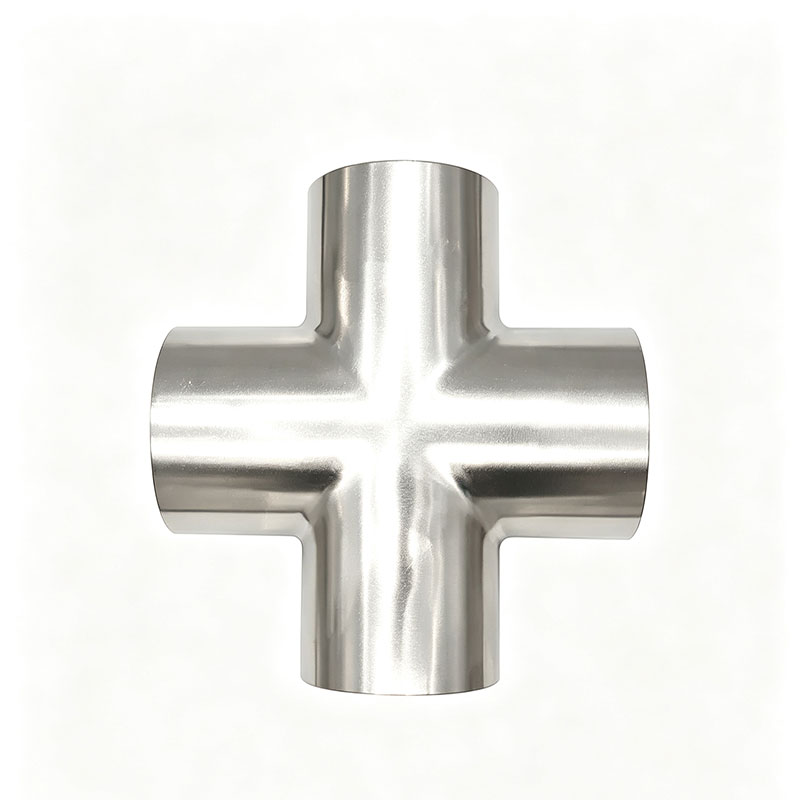
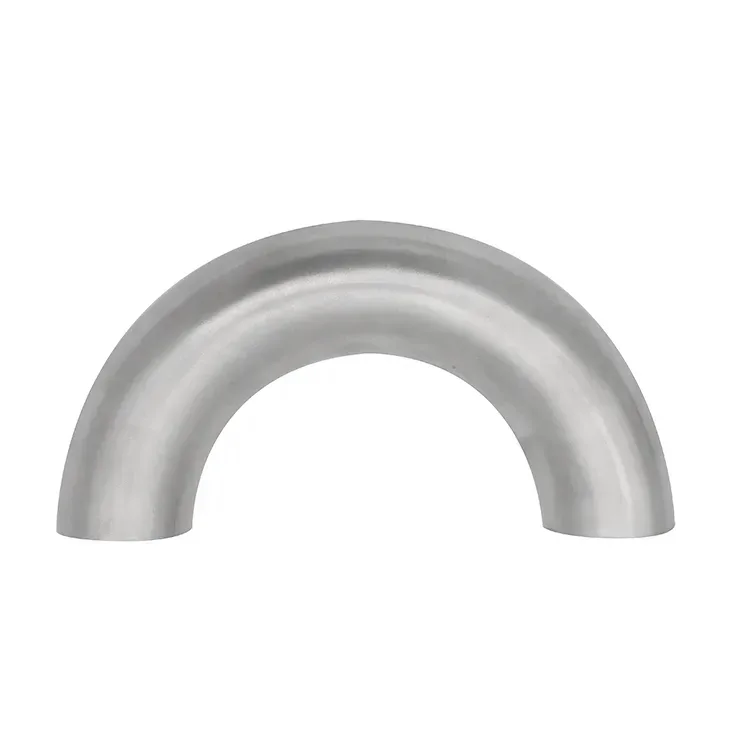
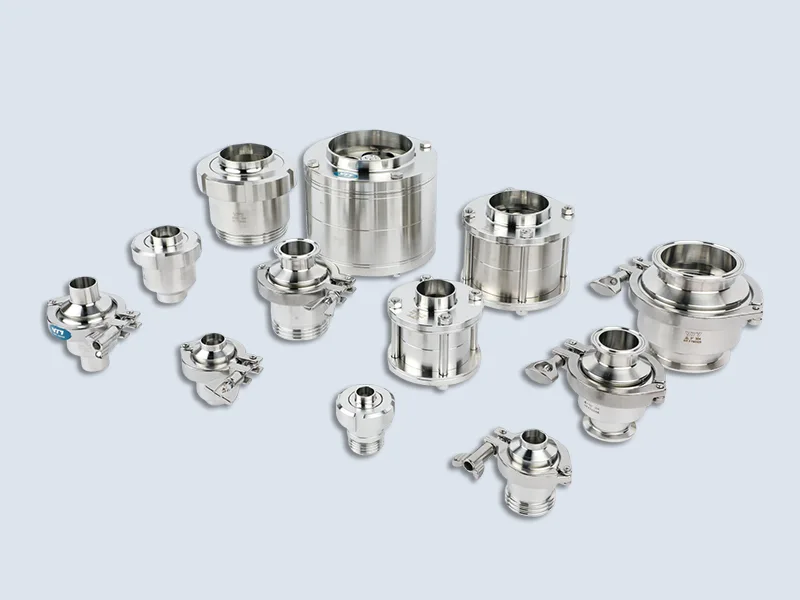
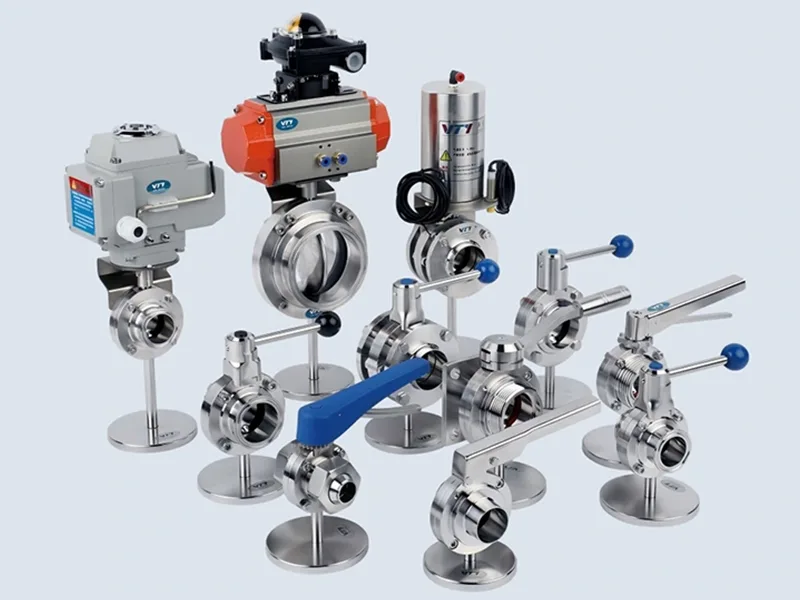
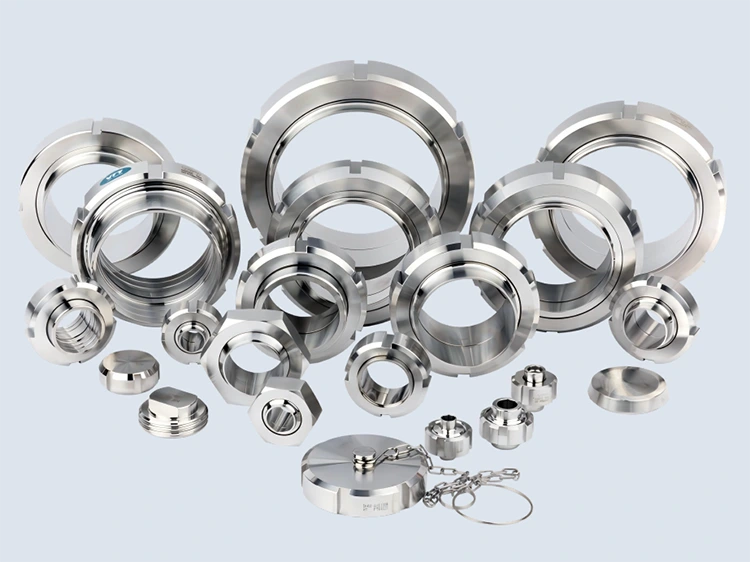
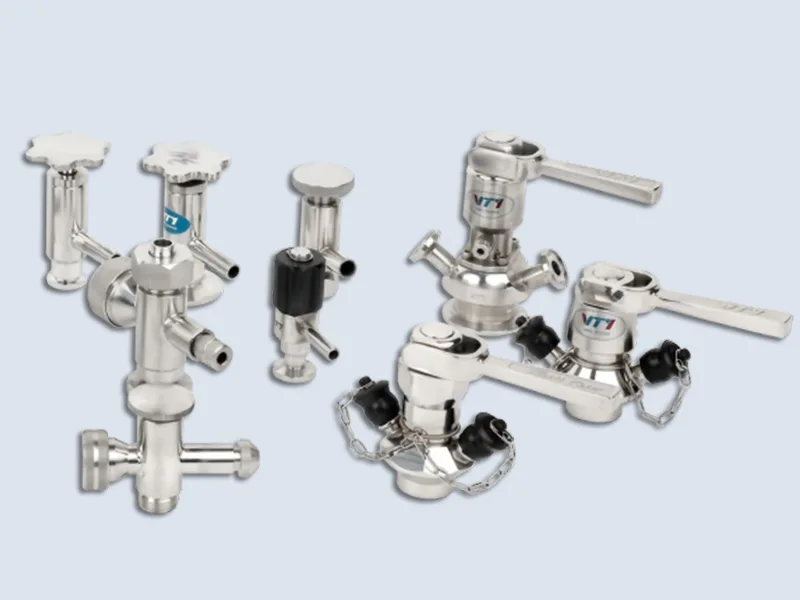
Sanitary pipe fittings (also known as hygienic fittings) are specialized connectors used in industries where product purity, sterility, and cleanliness are non-negotiable. They are engineered without crevices, threads, or tight bends to prevent bacteria from accumulating. Sanitary pipe fittings are widely used in food, beverage, pharmaceutical, biotech, cosmetics, personal care, and medical devices.
Our sanitary pipe fittings are manufactured by the following standards
1. CIP (Clean-In-Place) Distribution Loops
Every modern hygienic factory relies on an automated Clean-In-Place system to wash out process lines without dismantling them. Sanitary pipe fittings—specifically equal tees and instrument tees—are used to construct the distribution loops that pump hot water, caustic sodas, and acids at high velocities through the plant. The crevice-free nature of these fittings ensures the harsh cleaning chemicals reach every internal surface and completely drain out without leaving pockets of chemical residue.
2. Viscous Food Transfer & Product Batching
Thick, sticky ingredients like molten chocolate, honey, peanut butter, and heavy syrups present a major clogging hazard. Factories use large-diameter, highly polished sanitary 90-degree long-radius elbows and concentric reducers to transition these heavy fluids smoothly from mixing vats to packaging lines. The extra-wide curve of a sanitary elbow minimizes flow resistance and fluid friction, preventing the product from shearing, backing up, or scorching inside the line.
3. Multi-Port Flow Diversion Panels & Manifolds
In large processing facilities (like dairies or soft drink plants), fluid routes must be constantly switched between blending, holding, and bottling. Engineers use sanitary multi-port manifolds built out of welded sanitary tees and cross-fittings. Because these manifolds utilize quick-disconnect tri-clamp connections, operators can manually shift flow-inversion jump lines safely and rapidly without introducing outside air contaminants to the system.
4. WFI (Water for Injection) Pharmaceutical Piping
Water for Injection (WFI) is ultra-pure, sterile water used as the base for creating injectable medications and intravenous (IV) drips. WFI distribution networks run continuously at high temperatures (around 176°F or 80°C) to prevent any microbial life from taking hold. The industry utilizes ASME BPE-compliant orbital-welded sanitary fittings with an ultra-smooth surface roughness to ensure that there are zero microscopic anchor points where a bacterial biofilm could attach and grow.
5. Wine and Spirit Filtration & Bottling Lines
During the final stages of winemaking and distilling, finished product must be routed through fine particle filters and sent directly to the bottling heads. Wineries use sanitary hose adapters, reducers, and end caps to construct these flexible connections. Because alcohol acts as a solvent, these fittings must be perfectly polished 316L stainless steel to guarantee that no metallic tastes or microscopic particulate matter leach into the premium beverage just before it is corked or capped.
1. What are "Dead Legs" and how do fittings cause them?
A "dead leg" is an area of a piping system where fluid can stagnate rather than flow through the main stream. This typically happens when using long branch tees to connect instruments or pressure gauges.
2. What is an concentric vs. eccentric reducer, and where do I use them?
Reducers transition a pipeline from a larger diameter to a smaller one.
-
Concentric Reducers: Shape like a cone; the center line of both tube ends matches perfectly. These are ideal for vertical lines. If used horizontally, a pool of fluid will become permanently trapped at the bottom rim.
-
Eccentric Reducers: Flat on one side and tapered on the other. They are used exclusively on horizontal process lines with the flat side facing down. This allows the entire pipeline to completely drain via gravity when the system is shut down.
3. What is an EN 10204 3.1 Certificate, and why is it mandatory for the EU market?
In Europe, standard steel mill certificates are rarely enough for high-risk food or pharma applications. Procurement managers will insist on an EN 10204 Type 3.1 Material Certificate. This document guarantees absolute traceability. It proves that the actual batches of ferrules or elbows delivered were directly tested for chemical composition (Carbon, Chromium, Nickel levels) and mechanical pressure thresholds, with the results validated by an independent inspection department authorized by the manufacturer.