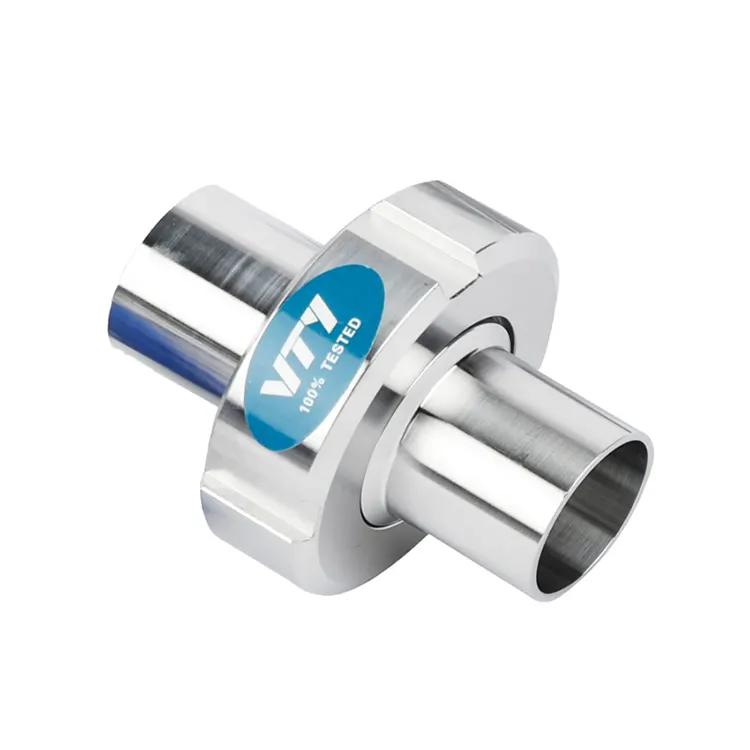
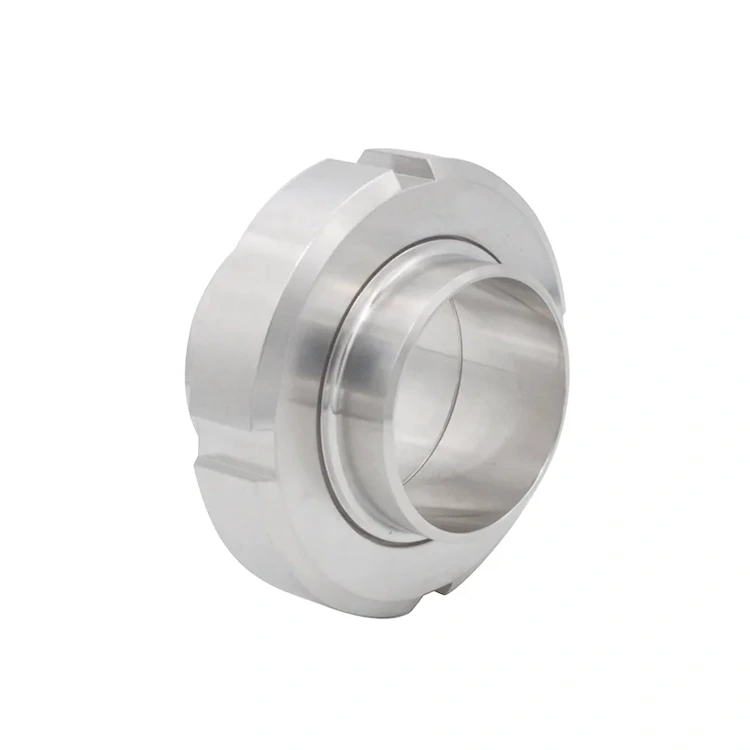
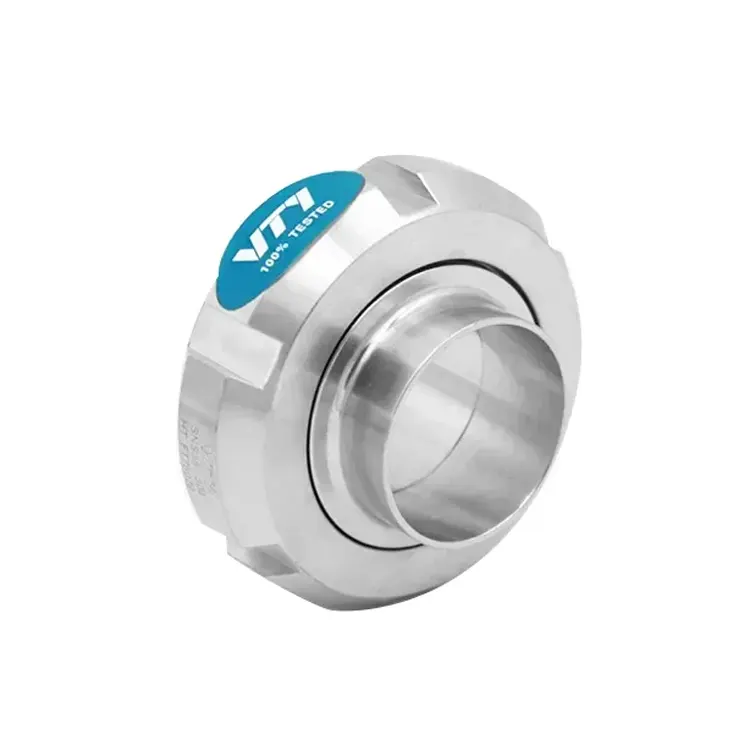
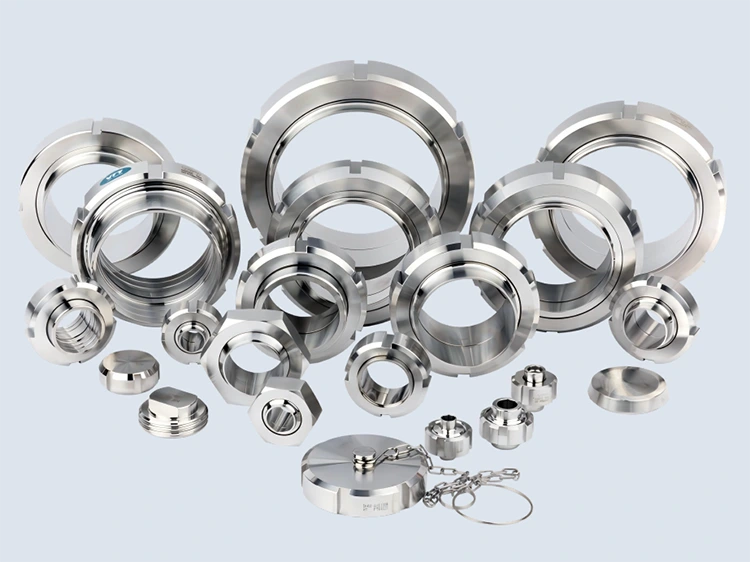
Choosing the correct sanitary union standard is critical for dairy plants because it directly affects hygiene safety, equipment compatibility, maintenance efficiency, and compliance with regional regulations. The four most commonly used standards—DIN, SMS, 3A, and IDF—are not interchangeable, and selecting the wrong one can lead to sealing issues, leakage risks, or costly retrofit work.
Below is a practical guide to help you make the right decision.
1. Understand the Four Main Standards
3A Standard (USA – Dairy & Food Focus)
The 3A sanitary standard is widely used in the United States, especially in dairy, beverage, and pharmaceutical industries.
Key characteristics:
Strong focus on hygiene and cleanability
High surface finish requirements (smooth internal surfaces)
Designed for CIP (Clean-In-Place) systems
Common in US dairy plants and export-oriented food equipment
General milk processing, cheese, yogurt production
SMS Standard (Scandinavia Origin – Dairy Optimized)
The SMS union is commonly used in Sweden and Nordic countries and has become popular globally in dairy applications.
Key characteristics:
Compact design with good sealing performance
Easy installation and maintenance
Very common in milk processing systems
Strong compatibility in dairy equipment export markets
Best for:
Milk processing plants
Modular dairy production lines
Equipment designed for quick maintenance
IDF Standard (International Dairy Federation)
The IDF standard is an international dairy pipe fitting specification, often considered similar in concept to SMS.
Key characteristics:
Designed specifically for dairy applications
Balanced between hygiene and practicality
Often used interchangeably with SMS in some markets
Common in international dairy equipment systems
Best for:
Export-oriented dairy plants
Systems requiring international compatibility
2. Key Differences at a Glance
Standard
Main Region
Design Focus
Hygiene Level
Compatibility
Typical Use
3A
USA
High hygiene & cleanability
Very High
Medium
Dairy, pharma, high purity
DIN
Europe
Durability & sealing strength
High
High in EU
Milk, cheese, beverage
SMS
Nordic/Global
Compact & easy maintenance
High
High
Dairy processing systems
IDF
International
Standardized dairy use
High
Medium-High
Export dairy plants
3. How to Choose the Right One for Your Dairy Plant
Step 1: Identify Your Target Market
Export to USA → Choose 3A
Europe-focused production → Choose DIN
Global dairy equipment integration → Choose SMS or IDF
Step 2: Match with Existing Equipment
This is the most important factor.
Ask:
What standard is your pump, valve, or tank already using?
Are you expanding an existing production line?
⚠️ Mixing standards usually requires adapters, increasing leakage risk and cost.
Step 3: Consider Cleaning Requirements (CIP/SIP)
High hygiene + strict sterilization → 3A preferred
Standard dairy cleaning → DIN / SMS / IDF acceptable
Step 4: Evaluate Maintenance Needs
Frequent disassembly → SMS is easier and faster
Heavy-duty continuous production → DIN is more stable
Ultra-clean systems → 3A is more suitable
Step 5: Future Expansion Planning
If you plan to:
Export internationally → SMS or IDF gives flexibility
Enter regulated US dairy/pharma markets → 3A is essential
❌ Choosing based only on price instead of system compatibility
❌ Overlooking surface roughness requirements in high-hygiene systems
5. Final Recommendation
If you want a simple decision guide:
3A → Maximum hygiene (US dairy/pharma standard) DIN → Strong, widely used European dairy standard SMS → Best balance of ease, maintenance, and global adoption IDF → International compatibility for export-oriented systems
We use cookies to offer you a better browsing experience, analyze site traffic and personalize content. By using this site, you agree to our use of cookies. Privacy Policy