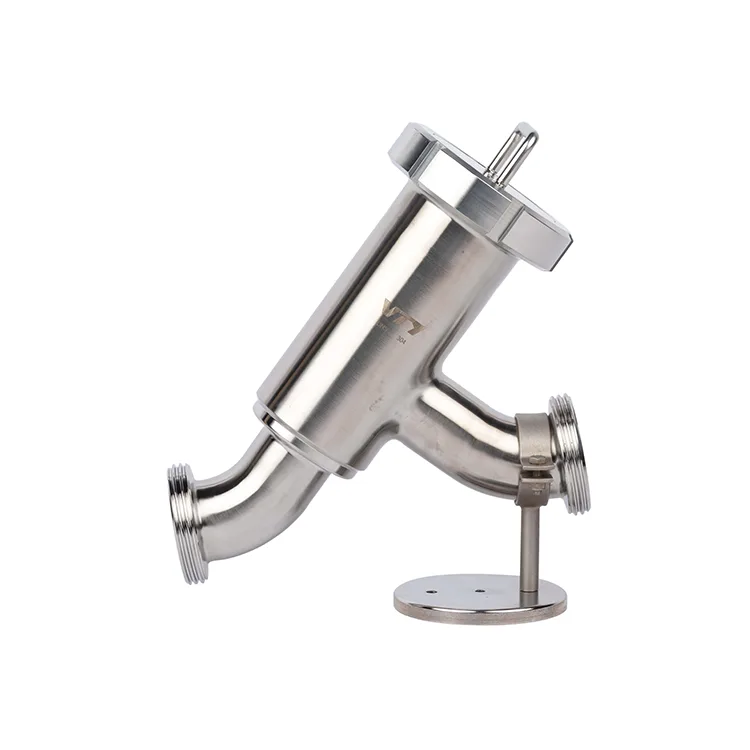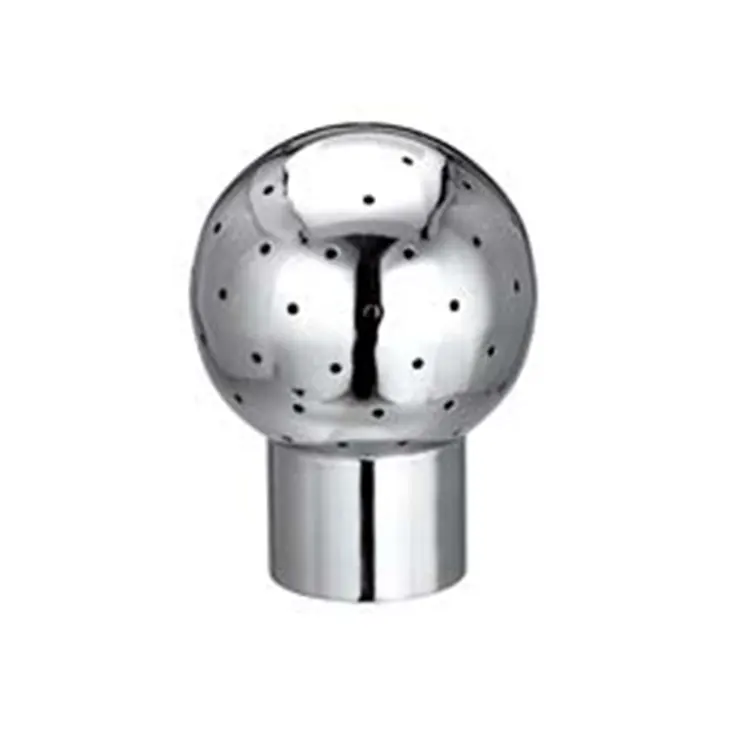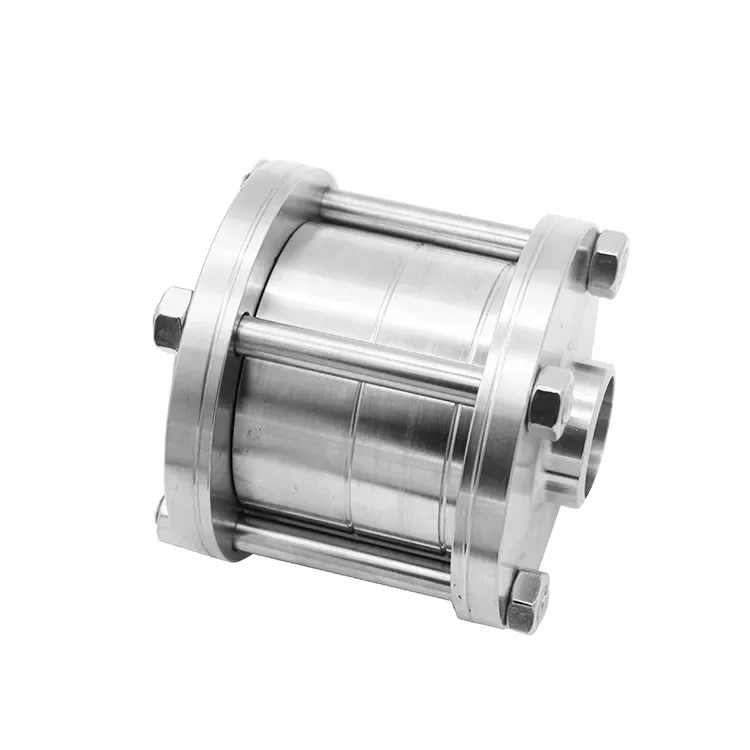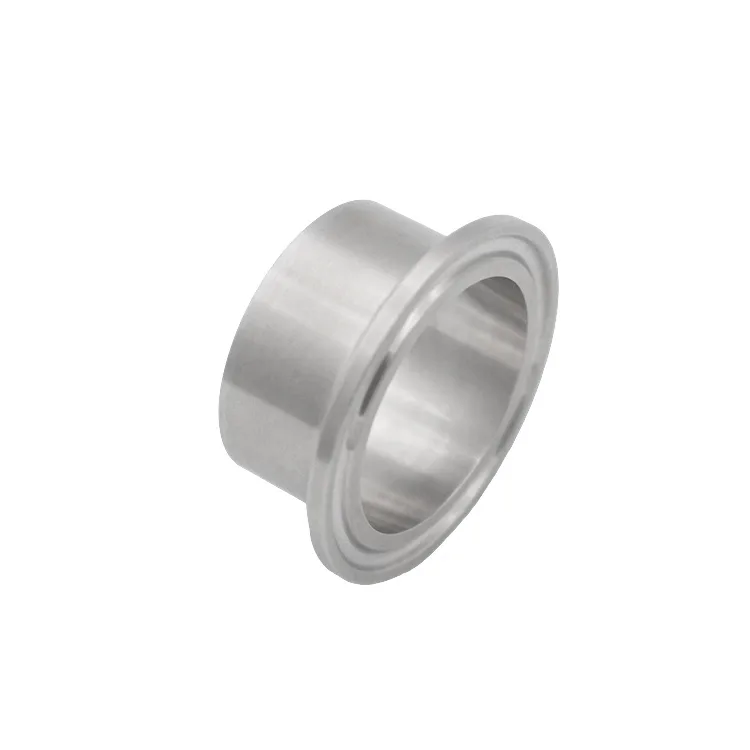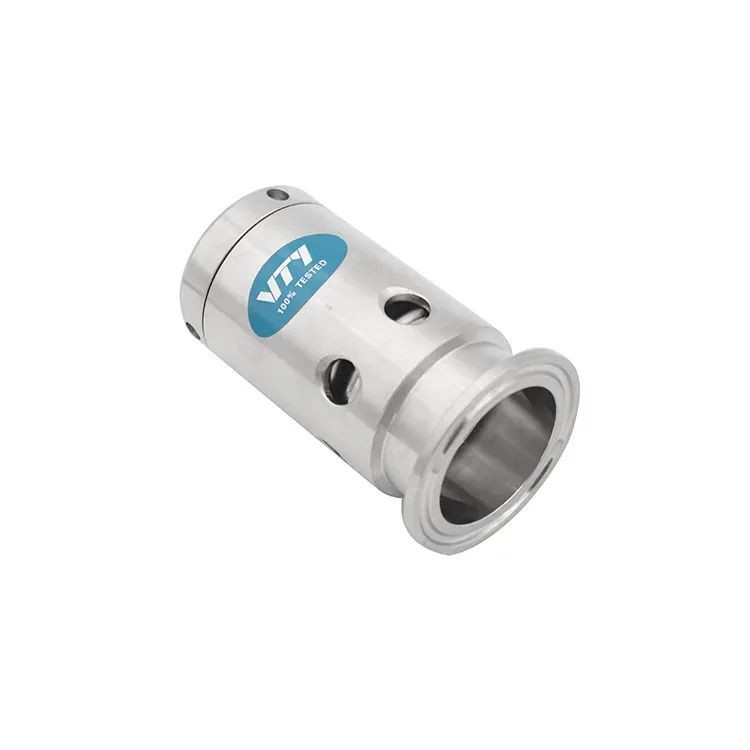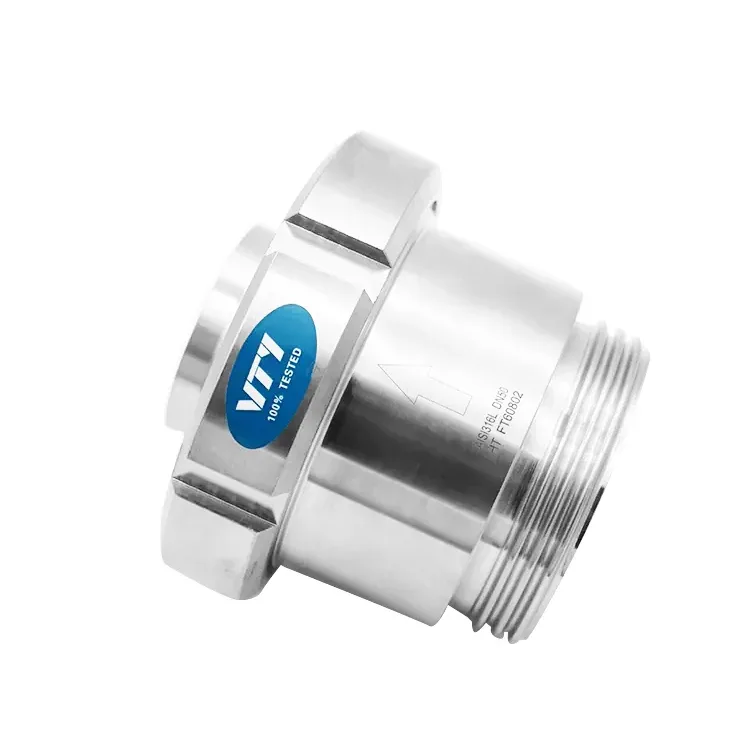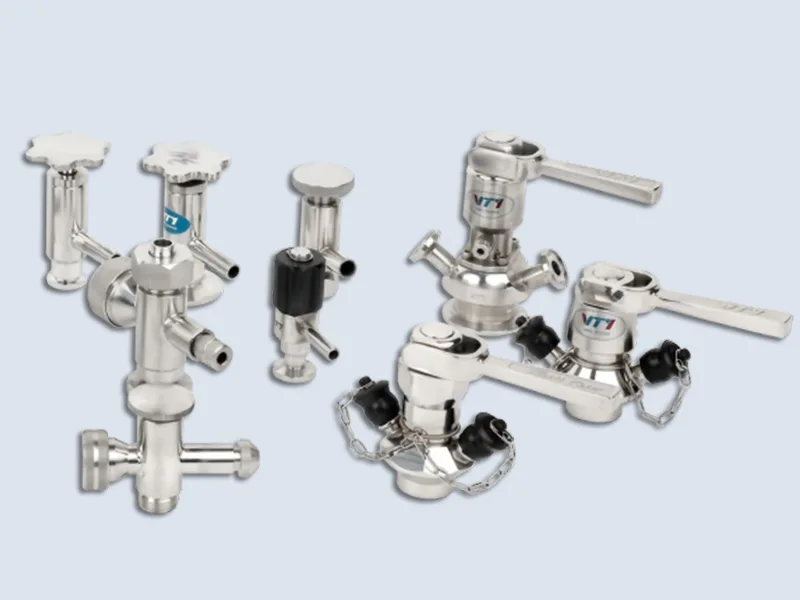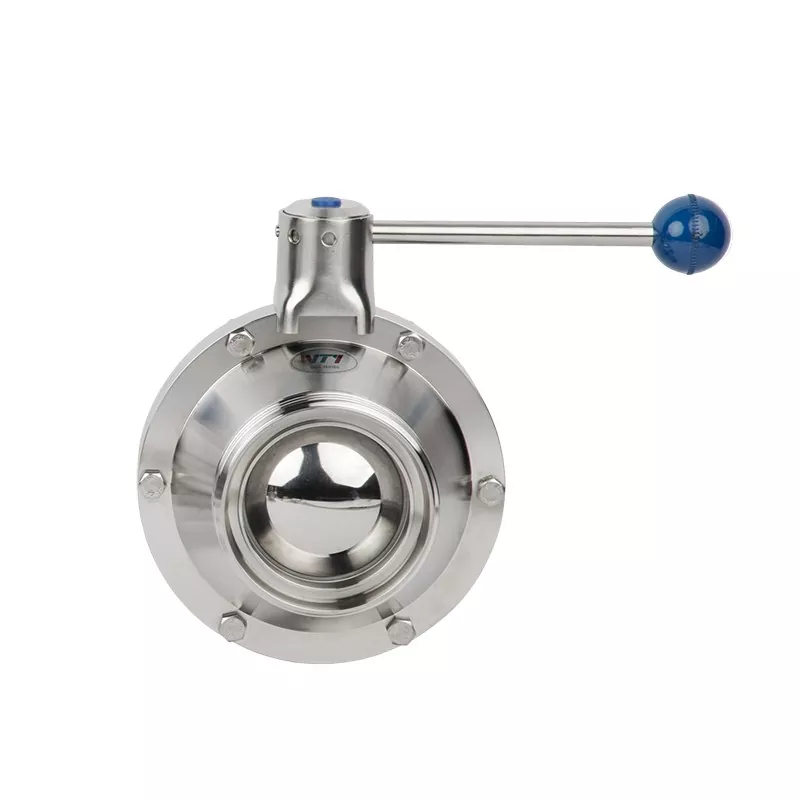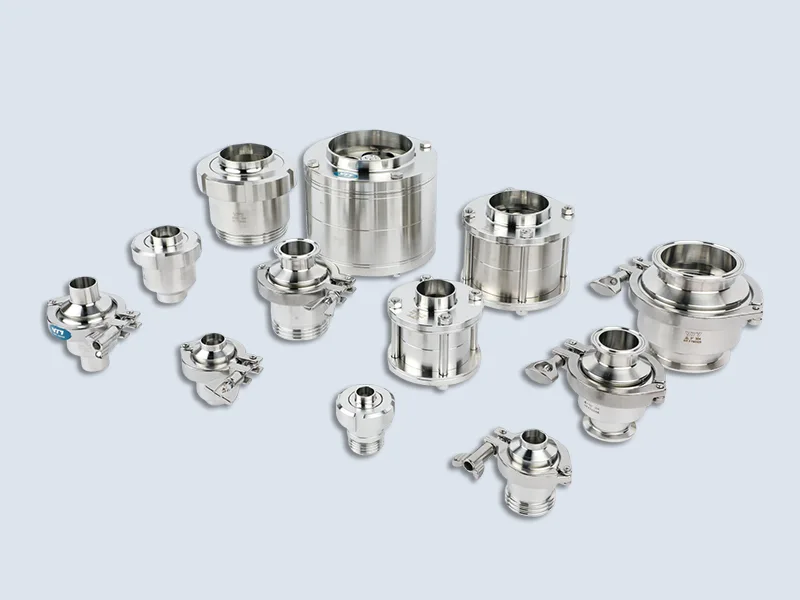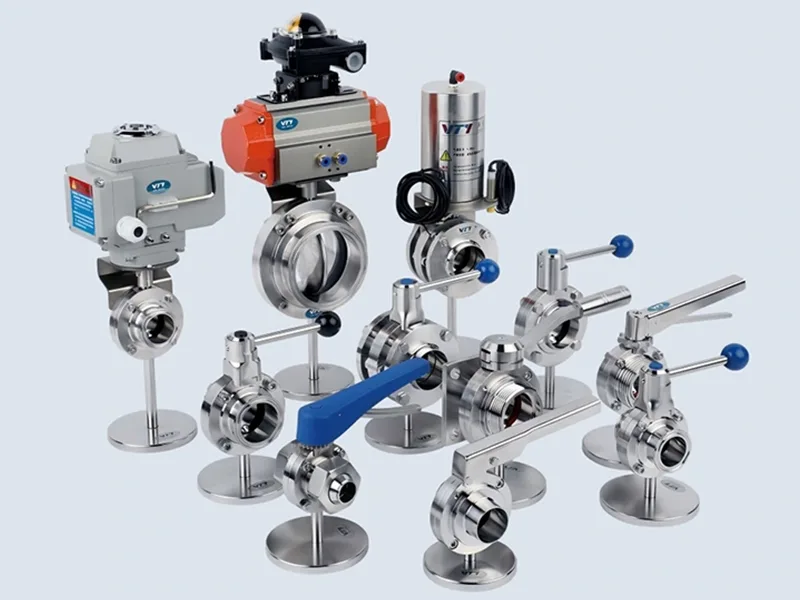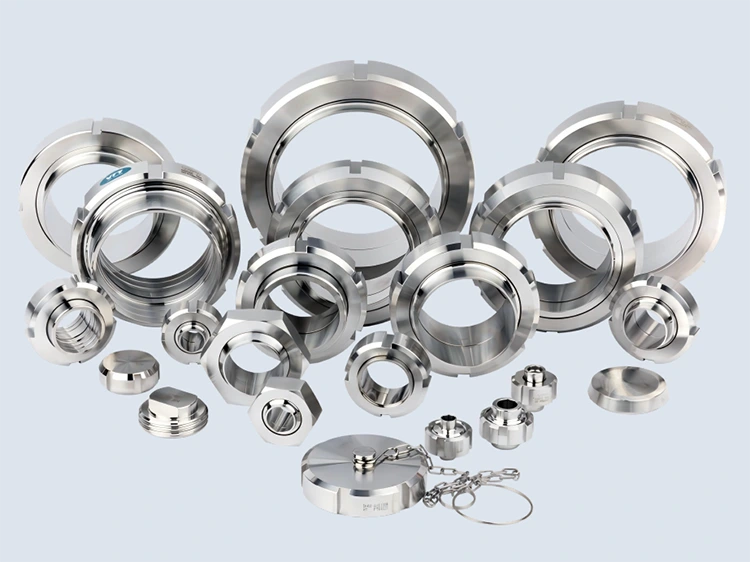
Choosing the right valve is essential for maintaining product quality, reliable flow control, and efficient cleaning in hygienic production lines. TianYue provides the Sanitary Butterfly Type Ball Valve for food, beverage, dairy, pharmaceutical, and other sanitary processing applications, combining a compact structure with corrosion-resistant stainless steel construction and flexible installation options. Understanding its design, materials, and operating requirements helps engineers and procurement teams select a valve that meets their process needs.
A sanitary butterfly type ball valve is designed for hygienic fluid handling where dependable shutoff, cleanability, and convenient operation are important. Its butterfly-style external profile and ball-based internal mechanism distinguish it from conventional valve designs. Depending on the configuration, it can support manual operation or automated control, with connection options such as clamp, welded, and threaded ends. This guide explains its working principle, materials, applications, selection criteria, maintenance requirements, and key specifications to help buyers make informed purchasing decisions.
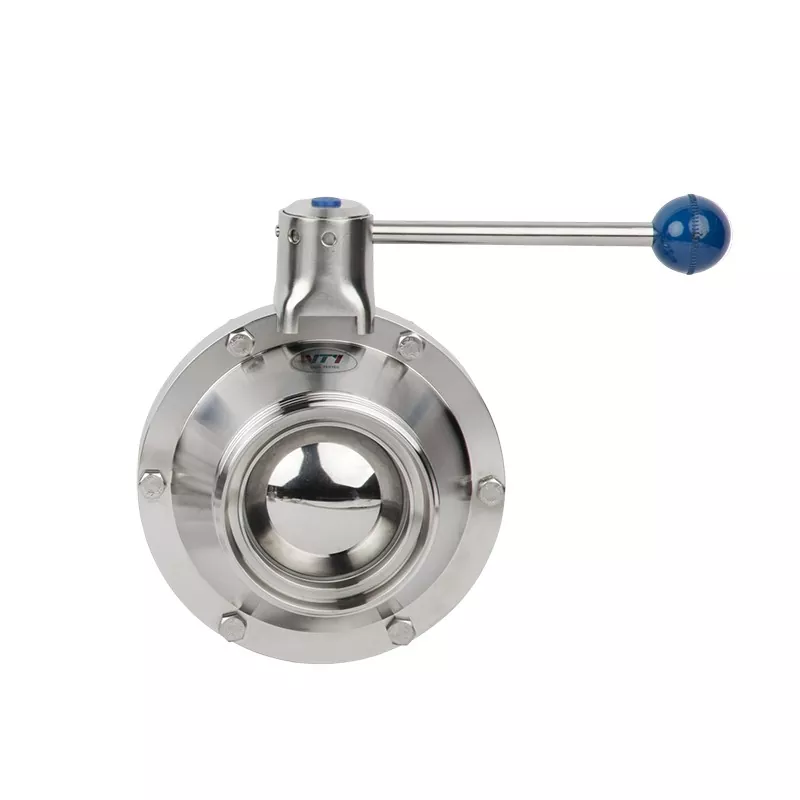
A sanitary butterfly type ball valve is a hygienic flow-control component developed for processing systems that require reliable isolation and convenient cleaning. It combines a butterfly-style body configuration with a ball-based shutoff mechanism, creating a compact solution for sanitary piping applications.
Unlike a conventional butterfly valve, which controls flow using a rotating disc inside the pipe, a ball valve uses a rotating ball with a flow passage. In a butterfly-type ball valve, the external shape and internal mechanism are combined in a specialized design. Buyers should confirm the actual internal construction in the manufacturer's technical drawings rather than relying on the product name alone.
TianYue's VTY product range includes sanitary valve configurations designed for food, beverage, dairy, and biopharmaceutical processing. The product information identifies stainless steel grades including 304, 304L, 316, and 316L, along with EPDM and PTFE sealing options.
For buyers comparing related equipment, explore the TianYue Sanitary Butterfly Type Ball Valve product page for available configurations and technical details.
The valve operates by rotating its internal ball to align or restrict the flow passage. In a typical quarter-turn arrangement, the operating handle or actuator rotates the mechanism approximately 90 degrees between open and closed positions.
Manual models are suitable for many straightforward piping systems. Pneumatic or electric actuation can be considered when remote operation, repeatable switching, or integration with an automated production line is required.
For hygienic processes, the valve's operating mechanism is only one part of the overall design. Internal surface finish, seal compatibility, drainage, and the effectiveness of the cleaning procedure also influence sanitary performance.
Smooth product-contact surfaces and a well-designed sealing arrangement can reduce locations where residues accumulate. These features are important in food and beverage production, where retained material may affect subsequent batches or complicate cleaning validation.
Stainless steel 304 is commonly used for general sanitary service, while 316 or 316L may be preferable where the medium or cleaning chemicals create more demanding corrosion conditions. The correct grade depends on actual process chemistry, temperature, and operating procedures.
Different pipeline layouts require different connections. Depending on the selected model, available configurations may include:
Manual handles offer straightforward local control. Pneumatic and electric actuators can support process automation when correctly matched with the valve, control system, and operating conditions.
Some configurations can be incorporated into clean-in-place (CIP) or sterilize-in-place (SIP) processes. Compatibility must be verified against the valve design, seal material, cleaning cycle, temperature, and sterilization procedure. CIP or SIP suitability should not be assumed solely from a sanitary product description.
Reviewing the technical specifications before ordering helps ensure the valve fits the pipeline and can withstand the actual process environment. The following table summarizes the specifications published for TianYue's sanitary butterfly type ball valve range. Final values should be confirmed for the selected model.
| Specification | Published Information | Selection Consideration |
|---|---|---|
| Product type | Sanitary butterfly type ball valve | Confirm the internal mechanism and intended service. |
| Body material | 304, 304L, 316, 316L stainless steel | Match the material to corrosion exposure and hygiene requirements. |
| Seal material | EPDM, PTFE | Check chemical compatibility, temperature limits, and regulatory requirements. |
| Nominal size range | 1–6 inches; DN10–DN200 listed | Verify the available size for the exact model and connection standard. |
| Connection standards | DIN, 3A, SMS, RJT, ISO, IDF, DS, Macon, GB | Match the valve connection to the existing piping specification. |
| Surface roughness | Ra ≤ 1.6 μm, Ra ≤ 0.8 μm, Ra ≤ 0.4 μm polished options | Confirm the required internal finish and how it is documented. |
| Operation | Manual, pneumatic, or electric options | Choose based on access, automation, and control requirements. |
Important: The values above describe the published product range, not a guarantee that every specification is available in one configuration. Obtain the current datasheet and dimensional drawing before finalizing a purchase order.
Sanitary valves are used wherever product-contact equipment must support controlled fluid transfer and appropriate hygiene procedures. A butterfly type ball valve may be suitable for the following applications when its material, sealing, and operating limits match the process.
Food plants handle water, liquid ingredients, syrups, and other process media. A suitable sanitary valve helps operators isolate sections of a line for production changes, maintenance, or cleaning.
Dairy plants, breweries, and beverage facilities often require frequent cleaning cycles and reliable control at transfer points. Connection compatibility and seal resistance to detergents, sanitizers, and process temperatures are important selection factors.
These environments may require tighter controls over surface finish, traceability, material documentation, and cleaning validation. The valve must meet the requirements of the specific process; a sanitary design alone does not establish suitability for every sterile application.
Cosmetic formulations and selected high-purity fluid systems can also benefit from hygienic flow-control equipment. For viscous products, assess the actual passage geometry, product characteristics, and cleaning performance before choosing a valve.
Related equipment may include sanitary butterfly valves and sanitary ball valves. Compare their operating mechanisms and cleaning characteristics to identify the most appropriate solution for each pipeline location.
Purchasing decisions should begin with the operating conditions rather than price alone. A valve that matches the pipeline but not the cleaning cycle or process medium can create unnecessary maintenance and reliability problems.
Identify the fluid, viscosity, suspended particles, concentration, and any aggressive ingredients. For mixtures containing particles, verify that the valve's actual flow passage and sealing arrangement are appropriate.
Check the nominal diameter, tube outside diameter, connection dimensions, and applicable standard. DIN, SMS, 3A, and other connection systems should not be treated as interchangeable without dimensional verification.
Compare stainless steel grades and sealing materials against the process medium and cleaning chemicals. Consider the entire exposure cycle, including normal production, rinsing, sanitation, and any thermal sterilization.
Request the allowable working pressure and temperature for the specific size, material, seal, and actuation configuration. Do not infer these limits from another manufacturer's product or a different model in the same range.
Request the technical datasheet, dimensional drawing, material identification, seal information, and relevant inspection or conformity documents. If the application requires a particular hygienic certification or material compliance declaration, verify that the selected model is covered by the documentation.
Proper installation and planned inspection help preserve sealing performance and reduce avoidable production interruptions.
Always isolate the line, release trapped pressure, and follow the facility's lockout and safety procedures before maintenance. Never dismantle a pressurized valve.
Different sanitary valve designs serve different functions. The best choice depends on whether the priority is shutoff, flow regulation, installation space, cleaning access, or process-specific isolation.
| Valve Type | Typical Strength | Key Consideration | Common Selection Scenario |
|---|---|---|---|
| Sanitary butterfly type ball valve | Compact design and quarter-turn operation | Verify the specific internal construction and cleanability. | Hygienic process lines requiring convenient shutoff. |
| Conventional sanitary butterfly valve | Simple structure and compact installation | The disc remains in the flow path and may affect flow resistance. | General flow isolation in sanitary pipelines. |
| Conventional sanitary ball valve | Positive shutoff with a rotating ball mechanism | Internal geometry and seat design affect residue retention and cleaning. | Applications requiring dependable on/off control. |
| Sanitary diaphragm valve | Process separation through a flexible diaphragm | Diaphragm material and service life require attention. | Applications with specific hygienic or contamination-control needs. |
This comparison is general rather than a substitute for model-specific testing. For demanding hygienic applications, evaluate drainability, product-contact surfaces, seal compatibility, and cleaning validation alongside the valve's flow-control function.
It is used to control or isolate fluid flow in suitable hygienic piping systems, including food, beverage, dairy, pharmaceutical, and cosmetic processing. The exact application depends on the selected valve configuration and operating conditions.
Grade 304 or 304L may suit many general sanitary applications, while 316 or 316L can offer improved resistance in certain corrosive environments. Selection should be based on the fluid composition, cleaning chemicals, temperature, and required documentation.
Some configurations are designed for CIP or SIP integration. Confirm the manufacturer's instructions for the exact model, including seal compatibility, allowable temperatures, drainage characteristics, and validated cleaning procedures.
Neither option is universally better. Manual operation can be economical for accessible locations, while pneumatic and electric actuators can improve control and integration in automated production lines. The appropriate choice depends on switching frequency, plant infrastructure, and control requirements.
TianYue's published range includes clamp, welded, and threaded configurations, with product variants associated with standards such as DIN, 3A, and SMS. Confirm the exact connection type and dimensions before ordering.
Compare EPDM or PTFE options against the process medium, cleaning chemicals, temperature range, and pressure conditions. Ask the supplier for compatibility information and documentation appropriate to the intended application.
Provide the nominal size, connection standard, body material, seal material, operating pressure and temperature, process medium, preferred actuation method, quantity, and any required compliance documents. A pipeline drawing or existing valve model number can also help reduce specification errors.
A sanitary butterfly type ball valve can be a practical flow-control solution for hygienic processing systems when its construction, material selection, connection type, and operating limits match the application. Careful attention to surface finish, sealing compatibility, cleaning procedures, and maintenance requirements helps buyers evaluate long-term suitability rather than focusing on initial purchase cost alone.
TianYue offers sanitary valve configurations for a range of industrial fluid-handling requirements. To identify a suitable model for your production line, review the Sanitary Butterfly Type Ball Valve specifications and contact us with your technical requirements. Our team can help you clarify available configurations, connection standards, material options, and quotation details for your project.