What Is a Clamp Type Check Valve, and Why Is It Essential for Hygienic Pipeline Systems

2026-11-26 0 Leave me a message

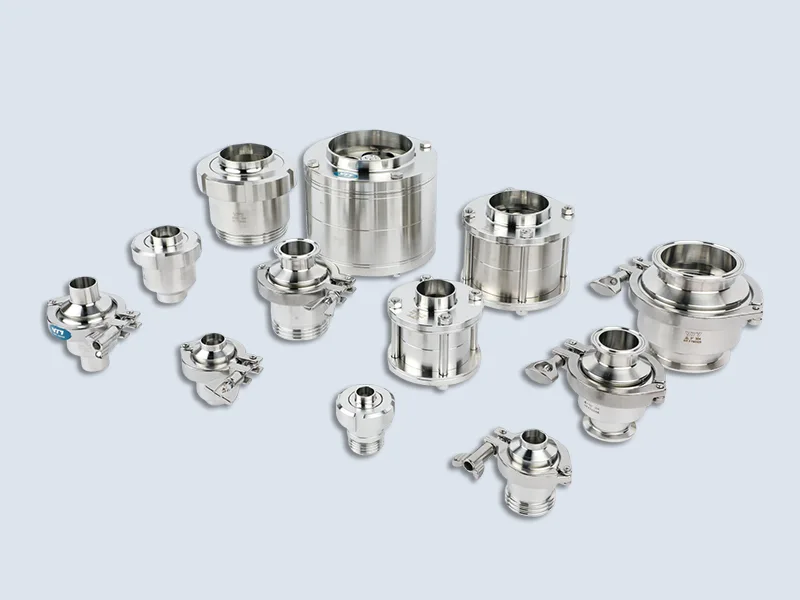
A clamp type check valve is a sanitary, non-return valve that allows process media to flow in one direction and automatically closes when flow reverses, protecting products, pumps, and pipelines from backflow contamination. In this guide, we explain how the valve works, what specifications matter, where it performs best, and how buyers can select a reliable unit. Drawing on the manufacturing experience of VTY, a leading China clamp check valve manufacturer and supplier, the article covers forged stainless steel construction, FDA-compliant seals, surface finish, connection standards, and the quality support offered to global equipment producers. Whether you build breweries, dairy lines, pharmaceutical systems, beverage plants, or viscous-fluid transfer pipelines, this overview helps you make an informed valve choice.

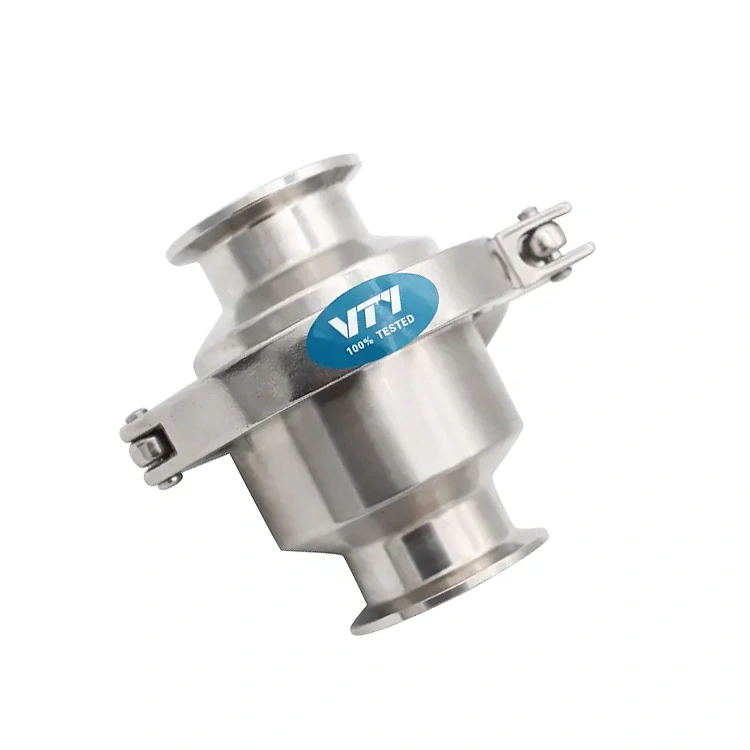
Clamp Type Check Valve

Contents


What Is a Clamp Type Check Valve?

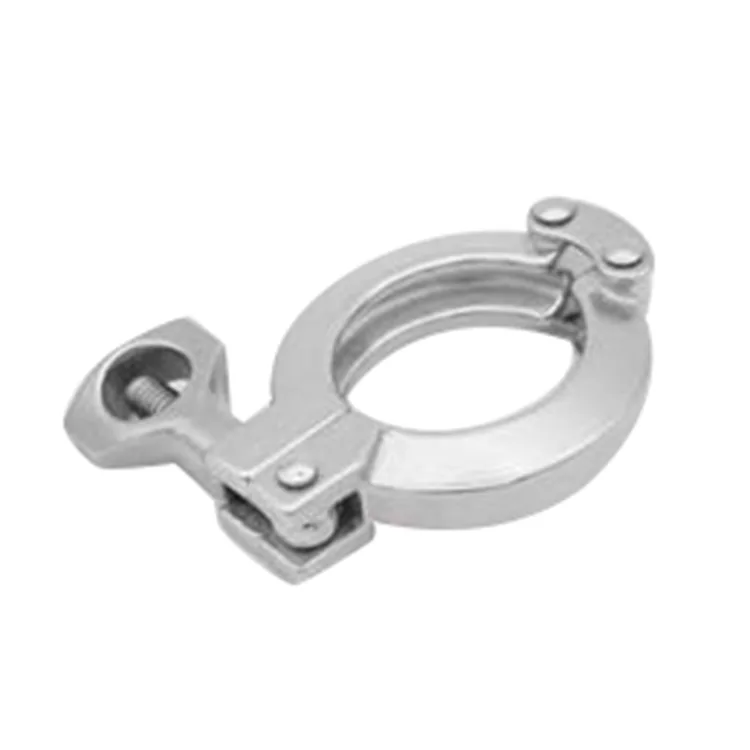
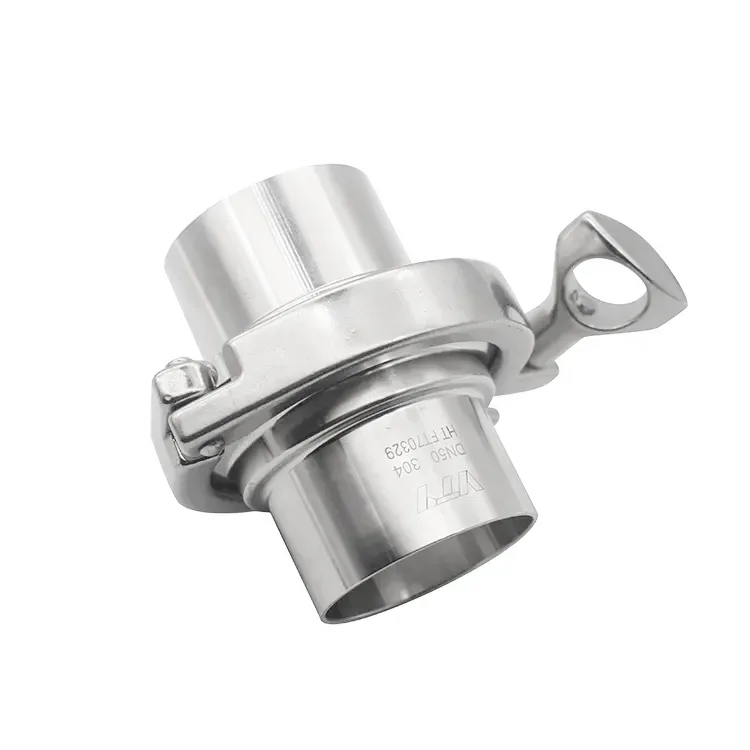
A clamp type check valve is a hygienic non-return valve assembled with clamp-style end connections that allow the body to be taken apart by hand in seconds. This tool-free design is essential for fast manual inspections or on-the-spot internal seal replacements without needing a specialized maintenance team. Unlike threaded or flanged valves that require tools to disconnect, the clamp construction shortens service time and keeps production uptime high.

In hygienic processing systems, unexpected backflow can contaminate products, damage pumps, interrupt production, and increase maintenance costs. VTY sanitary clamp check valves are engineered to provide reliable one-way flow control in breweries, dairy plants, pharmaceutical facilities, beverage production lines, and liquid cooling systems. Manufactured from forged 316L stainless steel and equipped with FDA-compliant sealing materials, the valves help maintain product purity, process stability, and operational efficiency even under demanding sanitary conditions. From CIP cleaning systems to high-purity process pipelines, this valve delivers dependable protection where reliability matters most.


How Does a Clamp Type Check Valve Work?

The valve operates on a simple pressure-driven principle. When forward flow reaches sufficient pressure, the internal closure element opens and lets medium pass through the streamlined passage. When flow stops or reverses, the pressure difference drops and the closure element returns to its seat, sealing the line and preventing any backflow of process media within the pipe system.

  • The spring-assisted closure responds instantly to pressure changes, protecting centrifugal pumps, heat exchangers, filling systems, and tanks from backflow-related damage.
  • The streamlined flow path and larger internal passage reduce flow resistance, which is especially helpful when handling high-viscosity products.
  • The valve is suitable for both horizontal and vertical mounting, even at low differential pressures, and it requires limited installation space.
  • The clamp body allows rapid disassembly for cleaning, seal inspection, and replacement without removing welded piping.

Because the internal structure has smooth surfaces and minimal dead zones, residue accumulation stays low, which supports efficient CIP cleaning and easier sanitary inspection.


Key Features and Specifications

Clamp check valves are reliable, multi-purpose safety devices with a long service life. The table below summarizes the standard material, seal, pressure, temperature, roughness, and connection parameters of a typical VTY clamp type check valve. Exact configurations are matched to the medium, temperature range, and pipeline standard of each project.

Parameter Specification
Product contact parts 304L / 316L forged stainless steel
Non-product contact parts 304 stainless steel
Seal material Standard EPDM; optional NBR, FPM, Silicone; all seals comply with FDA 177.2600
Working temperature -20 to +135°C with EPDM; sterilization temperature 150°C, maximum 20 minutes
Opening pressure Approximately 0.08 bar
Maximum working pressure 10 bar
Internal surface roughness Ra ≤ 0.8 μm
External surface roughness Ra ≤ 1.6 μm
Connection standards DIN 11850 series 2, INCH pipe standard, SMS; welding, thread, clamp, or flange ends
Material certificate EN 10204 3.1B certificate available for quality verification and project documentation

Which Applications Does It Serve?

The hygienic design, corrosion-resistant body, and flexible mounting options make the clamp check valve suitable for a wide range of process and sanitary pipelines. Common applications include the following.

  • High-temperature process lines: food processing, pharmaceutical, chemical, and thermal fluid transfer systems where stainless steel bodies and seals must withstand demanding thermal conditions while maintaining reliable sealing.
  • Viscous fluid handling: syrups, sauces, cellulose slurries, oils, asphalt-based materials, and other fluids that require smooth flow and minimal pressure loss through the streamlined passage.
  • Pressurized pipeline systems: continuous-operation lines where the valve automatically prevents reverse flow and protects pumps, tanks, and processing equipment from backflow damage.
  • Hygienic processing environments: dairy, beverage, food, biotechnology, and pharmaceutical production lines that demand strict hygiene standards, smooth internal surfaces, minimal dead zones, and easy disassembly for cleaning.
  • CIP and high-purity systems: cleaning circuits and high-purity pipelines where contamination control and efficient wash-down performance are critical.

Why Global Manufacturers Choose VTY

VTY operates a 13,000-square-meter modern production facility with integrated manufacturing and quality inspection capability. Several factors distinguish the company in sanitary valve supply.

  • Forged stainless steel construction: unlike cast valve bodies commonly found in the market, VTY uses forged stainless steel for enhanced strength, corrosion resistance, and service life.
  • Precision machining: 134 CNC machining centers are supported by more than 90% MAZAK equipment, ensuring consistent dimensional accuracy and sealing performance.
  • Verified surface finish: each production batch can be tested for surface roughness, confirming compliance with hygienic processing requirements.
  • Full material traceability: EN 10204 3.1 material certificates are available for quality verification and project documentation.
  • Proven export track record: more than 95% of products are supplied to European markets, including Germany, Denmark, the Netherlands, Italy, France, and Spain, with export experience spanning more than ten years.

The facility also runs surface polishing lines, laser cutting equipment, an independent quality inspection laboratory, coordinate measuring machines, spectrometers, surface roughness testers, and hardness testing equipment. This integrated capability supports consistent quality, fast lead times, and reliable OEM manufacturing support for overseas customers.


How to Select the Right Valve

Choosing the correct clamp type check valve depends on the process conditions rather than the pipe size alone. A structured selection process prevents sealing failures, pressure loss, and compatibility problems.

  1. Identify the medium and its properties, including viscosity, acidity, particles, and cleaning or sterilization cycles.
  2. Confirm the working temperature, pressure range, expected opening pressure, and whether vertical or horizontal mounting is planned.
  3. Match the connection standard and end type, such as DIN, INCH, or SMS, and welding, male thread, clamp, or flange ends.
  4. Select the seal material according to the medium and temperature, choosing EPDM, NBR, FPM, or Silicone as required.
  5. Verify hygienic requirements, surface roughness, documentation needs, and whether an EN 10204 3.1B material certificate must accompany the order.

Suppliers can review the project data and recommend the appropriate body grade, seal, and connection configuration for long-term, reliable operation.


FAQ

What is a clamp type check valve used for?

It is used to provide reliable one-way flow control and automatically prevent reverse flow in sanitary and process pipelines. It protects products from contamination and protects pumps, heat exchangers, filling systems, and tanks from backflow-related damage.

Can the valve be installed vertically and horizontally?

Yes. The clamp check valve is suitable for both horizontal and vertical mounting, even at low differential pressures, and it occupies limited space in the pipeline layout.

Which materials and seal options are available?

Product contact parts are forged 304L or 316L stainless steel, while non-contact parts use 304. The standard seal is EPDM, with NBR, FPM, and Silicone as options; all seal materials comply with FDA 177.2600.

Does VTY provide material certificates and OEM support?

Yes. EN 10204 3.1B material certificates are available, and the company supports customized and OEM manufacturing based on customer temperature, pressure, connection, and documentation requirements.

Which industries rely on this valve?

Breweries, dairy plants, food and beverage lines, pharmaceutical and biotechnology facilities, chemical processing, thermal fluid transfer, and high-purity liquid cooling systems are among the typical industries served.


If you are designing a hygienic pipeline, upgrading a sanitary process line, or sourcing a dependable non-return valve for overseas equipment projects, contact us today. The VTY engineering team can review your medium, temperature, pressure, connection standard, and documentation requirements, then recommend the right clamp type check valve with material certificates, surface finish verification, fast lead times, and ongoing after-sales support. Share your project details through our contact page, and let us help you protect product purity, equipment investment, and production uptime.

Related News
Leave me a message
X
We use cookies to offer you a better browsing experience, analyze site traffic and personalize content. By using this site, you agree to our use of cookies. Privacy Policy
RejectAccept