What Makes a Sanitary Hose Adapter Essential for Hygienic Fluid Handling

2026-11-19 0 Leave me a message

In the world of hygienic fluid processing, every connection matters. Whether you are transferring milk, juice, pharmaceutical ingredients, or purified water, the integrity of each joint directly impacts product safety and operational efficiency. A sanitary hose adapter is a critical component that ensures a secure, leak-proof, and hygienic transition between hoses and processing equipment. At VTY, we understand that even the smallest fitting can make or break your production line. This article explores what a sanitary hose adapter is, why it is indispensable, how to select the right one, which standards apply, and when you should consider upgrading or replacing your existing adapters. By the end, you will have a comprehensive understanding of this vital fitting and how VTY’s sanitary hose adapters can elevate your hygienic operations.

Sanitary Hose Adapter

Table of Contents

What Is a Sanitary Hose Adapter?

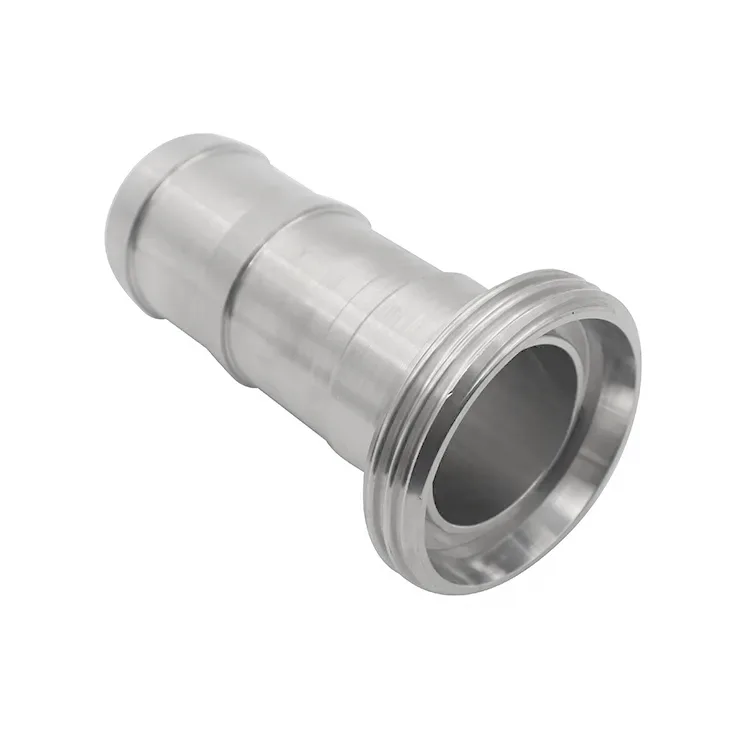
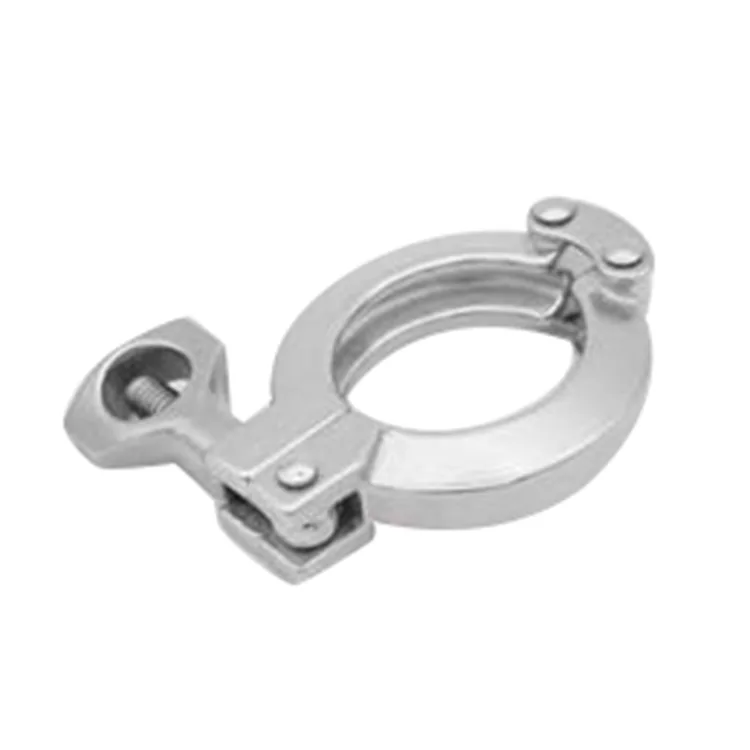
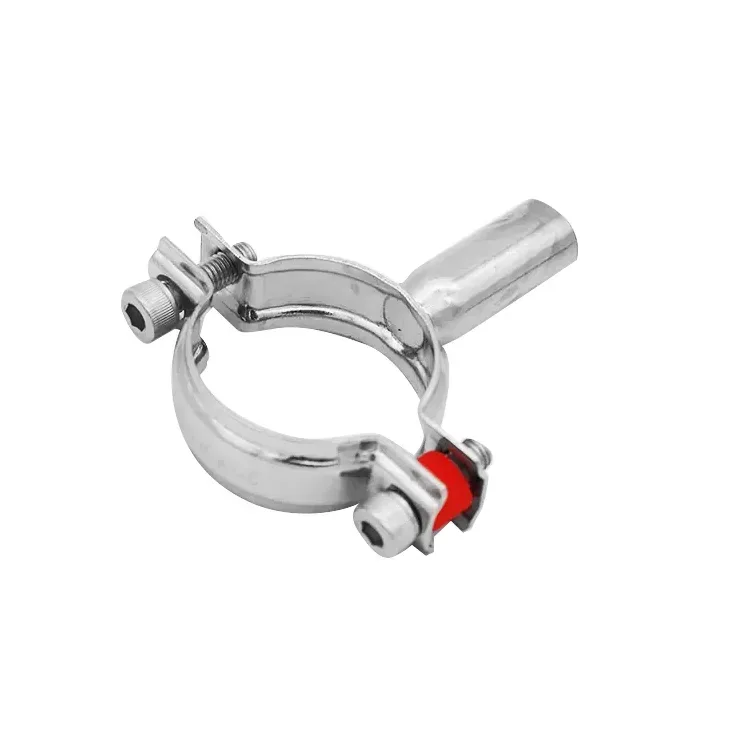
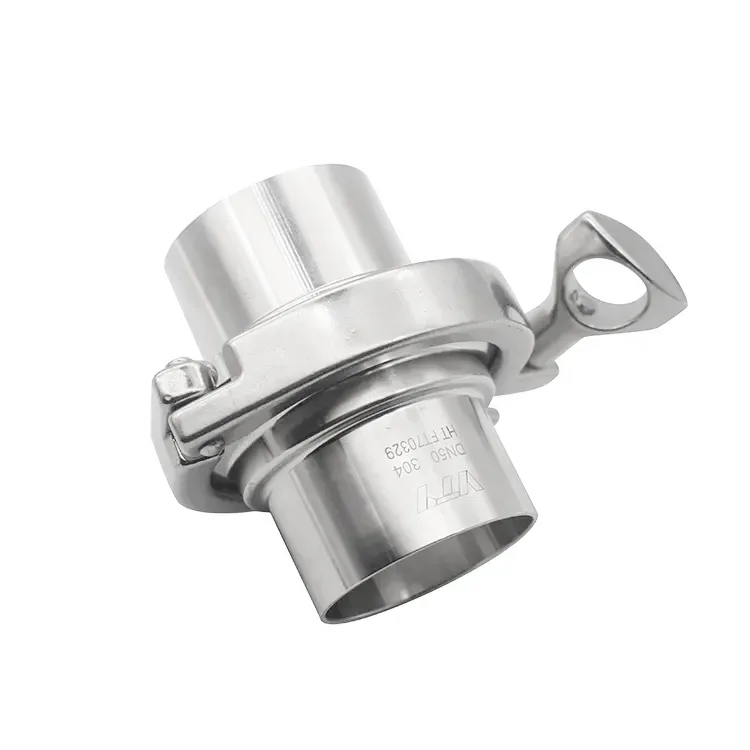
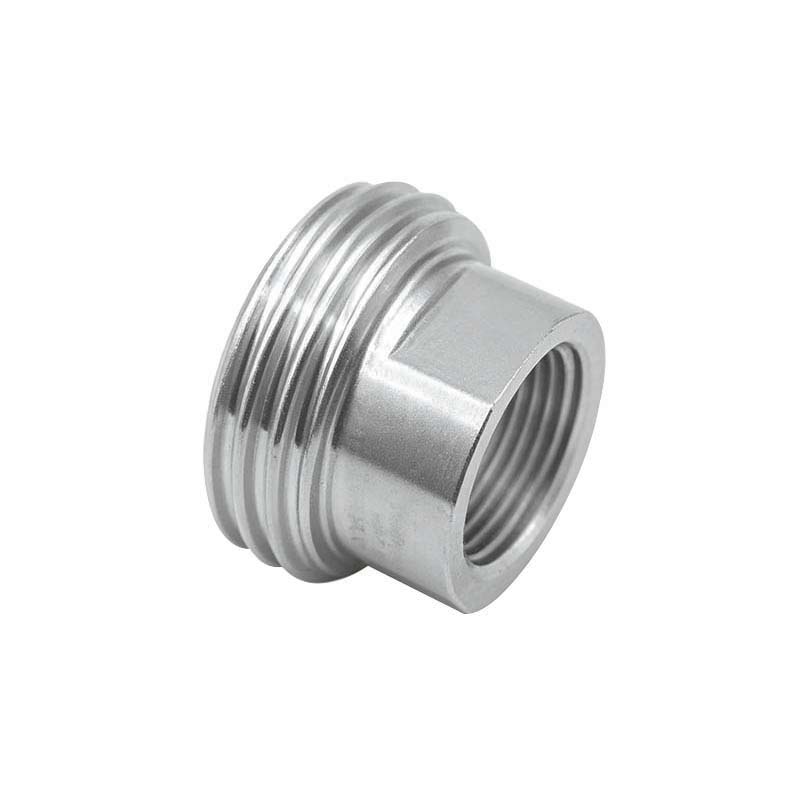
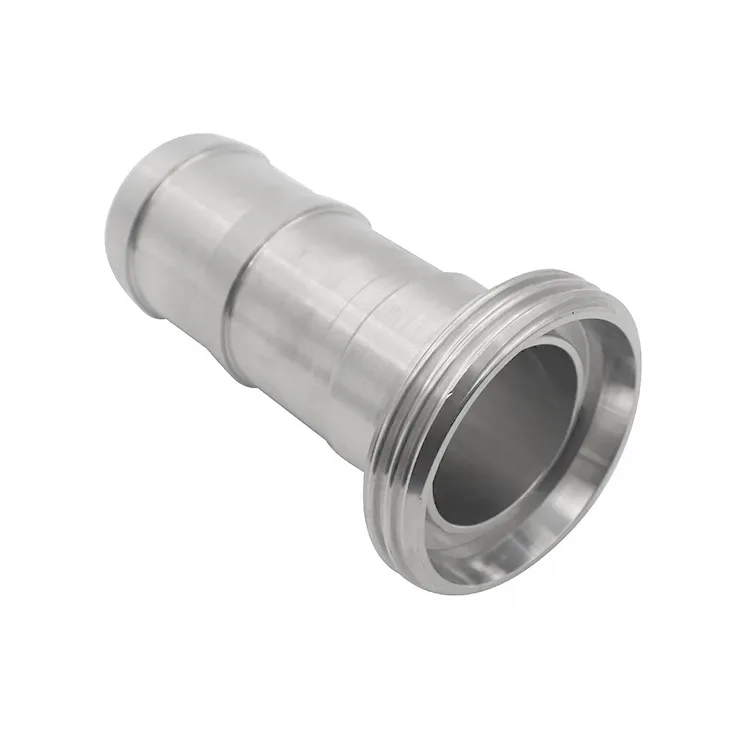
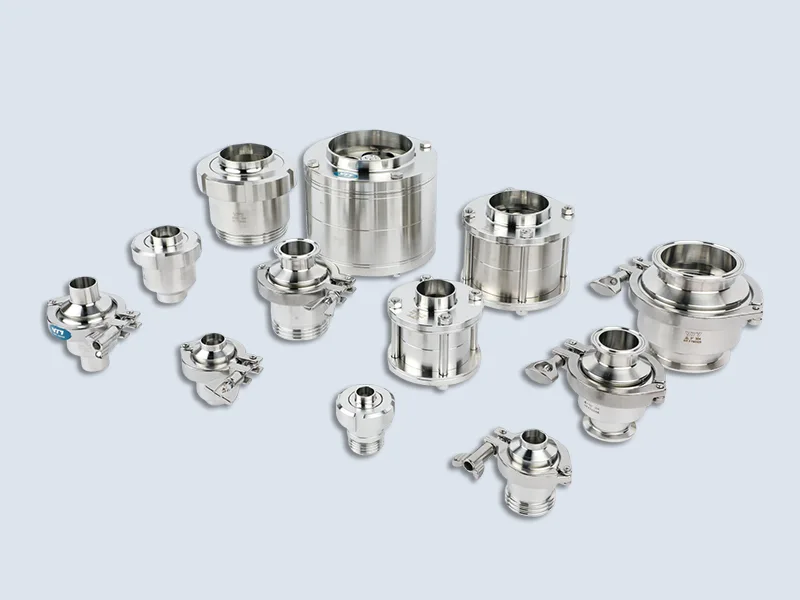
A sanitary hose adapter is a precision-engineered fitting designed to connect a flexible hose to a sanitary pipeline, valve, or tank port while maintaining a hygienic flow path. Unlike standard industrial adapters, sanitary hose adapters are manufactured to meet strict cleanliness standards, often featuring smooth internal surfaces, crevice-free connections, and materials that resist corrosion and bacterial growth. They typically use Tri-Clamp (TC), DIN, SMS, or RJT connection systems, which allow for quick assembly and disassembly without the need for special tools. This design not only simplifies cleaning but also minimizes the risk of contamination.

At VTY, our sanitary hose adapters are produced with CNC machining to ensure dimensional accuracy and surface finish. We offer a wide range of configurations, including straight adapters, elbow adapters, and custom designs to meet specific hose and pipeline requirements. Whether you need a simple hose barb to Tri-Clamp adapter or a complex custom fitting, VTY’s engineering team can deliver solutions that integrate seamlessly into your hygienic process.

Key features of a high-quality sanitary hose adapter include:

  • Material: 304 or 316L stainless steel for corrosion resistance and durability
  • Surface finish: Ra ≤ 0.8 μm (or better) for easy cleaning and sanitation
  • Connection types: Tri-Clamp, DIN, SMS, RJT, IDF, and hose barb
  • Design: crevice-free, self-draining, and compatible with CIP/SIP systems
  • Standards: 3A, EHEDG, FDA, and ASME BPE compliance

These features ensure that the adapter not only performs its mechanical function but also upholds the hygienic integrity of the entire system. For more details on VTY’s product range, you can visit our sanitary hose adapter page.

Why Are Sanitary Hose Adapters Critical for Hygienic Processing?

In hygienic processing, the cost of contamination is enormous—both in terms of product recalls and brand reputation. A single poorly designed or improperly installed adapter can create a dead leg or a rough surface where bacteria can harbor and multiply. Sanitary hose adapters address these risks by providing a smooth, continuous flow path that eliminates crevices and minimizes pressure drops. Their quick-connect design also allows for frequent cleaning and inspection, which is essential in industries such as food and beverage, dairy, pharmaceutical, and biotechnology.

Furthermore, sanitary hose adapters contribute to operational efficiency. Because they are designed for rapid assembly and disassembly, they reduce downtime during changeovers and maintenance. This is particularly important in multi-product facilities where production lines must be reconfigured frequently. Additionally, the use of high-quality stainless steel and precision machining ensures long service life, reducing replacement costs and minimizing the risk of unexpected failures.

Consider the following comparison between standard industrial adapters and VTY sanitary hose adapters:

Feature Standard Industrial Adapter VTY Sanitary Hose Adapter
Material Carbon steel or plated steel 304/316L stainless steel
Surface Finish Rough, may harbor bacteria Ra ≤ 0.8 μm, hygienic
Connection Type Threaded or welded Tri-Clamp, DIN, SMS, RJT
Cleanability Difficult to clean, crevices Easy to clean, crevice-free
Standards Not necessarily hygienic 3A, EHEDG, FDA compliant
Service Life Shorter, prone to corrosion Long, corrosion-resistant

As the table illustrates, the differences are significant. Choosing a sanitary hose adapter from VTY is an investment in product safety and operational reliability.

How to Choose the Right Sanitary Hose Adapter?

Selecting the correct sanitary hose adapter involves several considerations. First, identify the connection types on both the hose side and the equipment side. Common hose connections include hose barbs, cam and groove, and flanges, while equipment connections are typically Tri-Clamp, DIN, SMS, or RJT. VTY offers adapters that bridge these connection types, such as a hose barb to Tri-Clamp adapter or a cam and groove to DIN adapter.

Second, consider the material compatibility with your product and cleaning agents. 316L stainless steel is the standard for most hygienic applications due to its superior corrosion resistance, especially when exposed to chlorides or aggressive cleaning chemicals. For less demanding applications, 304 stainless steel may be sufficient.

Third, determine the required surface finish. A smoother finish (lower Ra value) reduces the risk of product adhesion and bacterial attachment. VTY can supply adapters with Ra values as low as 0.4 μm upon request.

Fourth, verify that the adapter meets relevant standards. For food and dairy applications in the United States, 3A Sanitary Standards are widely recognized. In Europe, EHEDG guidelines are often referenced. Pharmaceutical applications may require compliance with ASME BPE. VTY’s sanitary hose adapters are manufactured to meet these standards, and we can provide certification upon request.

Finally, consider the design pressure and temperature ratings to ensure the adapter is suitable for your process conditions. VTY’s adapters are rated for pressures up to 10 bar (depending on size and connection type) and temperatures up to 150°C, making them suitable for a wide range of hygienic applications.

To summarize the selection process, follow this checklist:

  • Identify hose and equipment connection types
  • Select material (304 or 316L stainless steel)
  • Specify surface finish (Ra ≤ 0.8 μm or better)
  • Confirm compliance with 3A, EHEDG, FDA, or ASME BPE
  • Check pressure and temperature ratings
  • Consider CIP/SIP compatibility and drainability

For assistance with selection, contact VTY’s technical team for personalized recommendations.

Which Standards and Materials Matter for Sanitary Hose Adapters?

Standards ensure that sanitary hose adapters are designed, manufactured, and tested to meet the rigorous demands of hygienic processing. The most commonly referenced standards include:

  • 3A Sanitary Standards – Widely used in the U.S. dairy and food industry, specifying material, surface finish, and design requirements.
  • EHEDG (European Hygienic Engineering & Design Group) – Provides guidelines for hygienic design and cleaning validation.
  • FDA 21 CFR 177 – Regulates materials that come into contact with food.
  • ASME BPE (Bioprocessing Equipment) – Sets stringent requirements for pharmaceutical and biotech applications.

Materials are equally important. 316L stainless steel is the preferred choice for most hygienic applications due to its molybdenum content, which enhances resistance to pitting and crevice corrosion. 304 stainless steel is acceptable for less aggressive environments but may not withstand certain cleaning chemicals or high-chloride products. VTY uses only certified 316L and 304 stainless steel from reputable mills, and we provide material certificates (EN 10204 3.1) upon request.

The following table summarizes the material properties and typical applications:

Material Corrosion Resistance Typical Applications VTY Availability
304 Stainless Steel Good for general use Water, beverages, mild chemicals Standard
316L Stainless Steel Excellent, especially against chlorides Dairy, pharmaceuticals, aggressive products Standard
Other Alloys Specialized Highly corrosive environments Upon request

By adhering to these standards and offering a choice of materials, VTY ensures that our sanitary hose adapters deliver reliable performance in even the most demanding hygienic environments.

When Should You Replace Your Sanitary Hose Adapter?

Even the highest quality adapter has a finite service life. Knowing when to replace a sanitary hose adapter is crucial to maintaining hygiene and preventing unexpected downtime. Signs that indicate replacement is needed include:

  • Visible wear, corrosion, or pitting on the product contact surfaces
  • Difficulty achieving a clean-in-place (CIP) validation
  • Frequent leaks or seal failures
  • Deformation of the clamp or connection interface
  • Changes in surface finish (e.g., scratches or roughness)

Additionally, if you are expanding production capacity, changing product formulations, or upgrading to stricter standards (such as moving from 3A to ASME BPE), it may be necessary to replace existing adapters with more suitable models. VTY recommends periodic inspection of all hygienic fittings as part of your preventive maintenance program.

Furthermore, when replacing adapters, consider upgrading to a design that offers better cleanability or a more robust connection. For instance, switching from a standard hose barb to a Tri-Clamp adapter can improve cleaning efficiency and reduce the risk of bacterial harborage. VTY’s team can help you evaluate your current setup and recommend the best replacement options.

Frequently Asked Questions (FAQ)

Q1: What is the difference between a sanitary hose adapter and a standard hose adapter?
A1: Sanitary hose adapters are designed with hygienic features such as smooth surfaces, crevice-free connections, and materials that resist corrosion and bacterial growth. Standard adapters may have rough surfaces, threaded connections that harbor bacteria, and are not suitable for food or pharmaceutical applications.

Q2: Can VTY customize sanitary hose adapters for my specific application?
A2: Yes. VTY offers custom manufacturing services. Our engineering team can design and produce adapters to your exact specifications, including unique connection types, materials, and surface finishes. We also provide rapid prototyping to ensure fit and function before production.

Q3: Which connection type is best for my application?
A3: The best connection type depends on your existing equipment and process requirements. Tri-Clamp is the most common in hygienic applications due to its ease of assembly and cleaning. DIN, SMS, and RJT are also popular in specific regions or industries. VTY can supply adapters with any of these connections, or combinations thereof.

Q4: How often should I replace my sanitary hose adapters?
A4: Replacement frequency depends on usage, cleaning cycles, and process conditions. We recommend inspecting adapters during routine maintenance and replacing them if you notice wear, corrosion, or difficulty in cleaning. In many cases, adapters can last for years if properly maintained.

Q5: Does VTY provide certifications for its sanitary hose adapters?
A5: Yes. VTY can provide material certificates (EN 10204 3.1), 3A certification, and other compliance documentation upon request. Our quality control process ensures that every adapter meets the required standards before shipment.

Conclusion

Sanitary hose adapters may be small components, but they play a disproportionately large role in maintaining the hygiene, efficiency, and safety of fluid processing systems. From selecting the right material and connection type to ensuring compliance with relevant standards, every decision matters. VTY is committed to providing high-quality sanitary hose adapters that meet the most stringent requirements of the food, dairy, pharmaceutical, and biotechnology industries. With our expertise in CNC machining, custom fabrication, and quality assurance, we can help you optimize your hygienic processes and reduce the risk of contamination. To discuss your specific needs or to request a quote, please contact us today—our team is ready to assist you with custom solutions, technical support, and fast delivery. Partner with VTY for sanitary fittings you can trust.

Related News
Leave me a message
X
We use cookies to offer you a better browsing experience, analyze site traffic and personalize content. By using this site, you agree to our use of cookies. Privacy Policy
RejectAccept