How Does a Pressure Vacuum Valve Protect Storage Tanks from Dangerous Pressure Changes

2026-11-09 0 Leave me a message

Article Summary: A pressure vacuum valve is an essential tank protection component designed to prevent excessive internal pressure and dangerous vacuum conditions in enclosed vessels. By automatically releasing excess gas and allowing air to enter when necessary, it helps maintain safe operating conditions and protects tanks from structural damage. This article explores how a Pressure Vacuum Valve works, its key components, technical specifications, industrial applications, material selection, and maintenance requirements. VTY provides stainless steel pressure vacuum valve solutions designed for hygienic processing systems, fermentation tanks, and industrial storage applications.

In modern industrial processing, maintaining stable pressure inside storage and fermentation tanks is critical for operational safety, product quality, and equipment reliability. VTY, a professional manufacturer of sanitary valves and fluid equipment, offers the Pressure Vacuum Valve as a reliable solution for protecting enclosed vessels against excessive pressure and negative pressure. Designed for automatic pressure regulation, this valve helps prevent tank deformation, gas accumulation, and potential equipment failure without requiring continuous manual intervention.

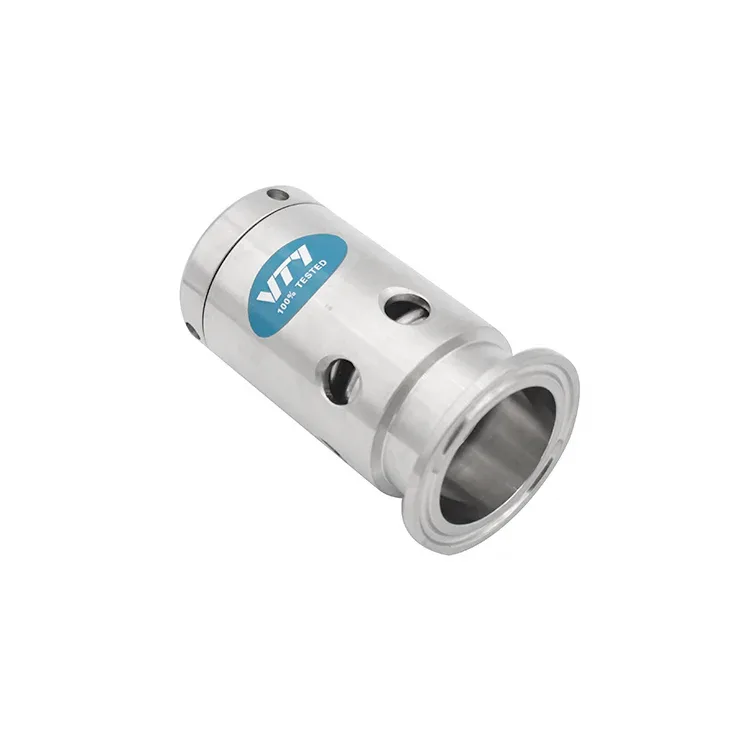
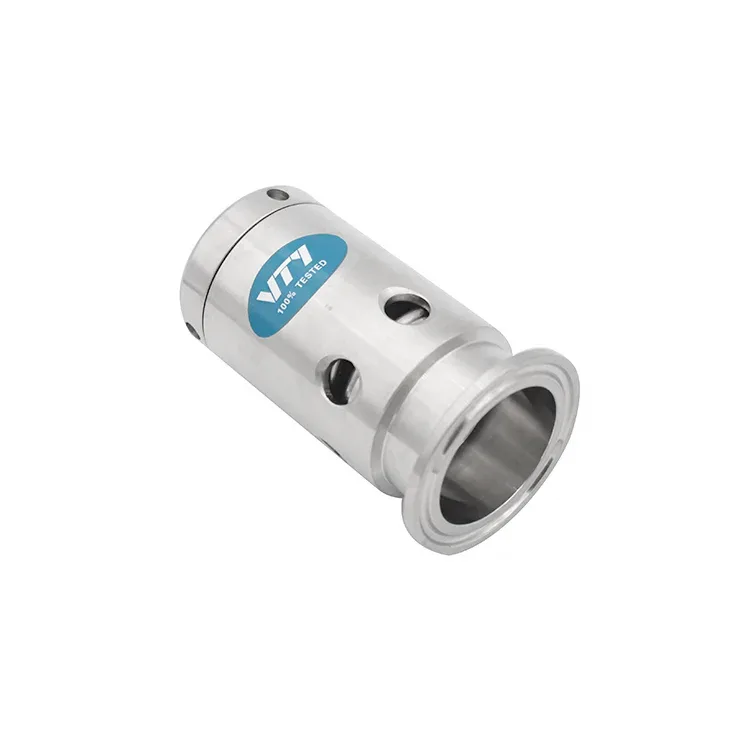
Pressure Vacuum Valve

Table of Contents

1. What Is a Pressure Vacuum Valve?

2. How Does a Pressure Vacuum Valve Work?

3. Why Are Pressure Vacuum Valves Important?

4. Main Components and Design Features

5. Technical Specifications and Product Options

6. Common Industrial Applications

7. How to Choose the Right Pressure Vacuum Valve

8. Installation and Maintenance Recommendations

9. Manufacturing Quality and Engineering Assurance

10. Frequently Asked Questions

11. Conclusion


1. What Is a Pressure Vacuum Valve?

A Pressure Vacuum Valve (PVV) is an automatic tank protection device designed to control both positive and negative pressure inside enclosed storage vessels. It prevents excessive internal pressure from damaging the tank while also protecting the vessel against collapse caused by vacuum conditions.

Unlike a conventional pressure relief valve, which primarily releases excess pressure, a pressure vacuum valve performs two complementary functions:

  • Pressure relief: Releases excess gas when internal pressure exceeds the preset pressure threshold.
  • Vacuum relief: Allows air or an appropriate replacement gas to enter when internal pressure drops below the specified vacuum setting.

This dual-action capability makes the valve particularly important in tanks that experience frequent changes in temperature, liquid levels, gas generation, or operating conditions.

For example, fermentation tanks may continuously generate carbon dioxide during biological processing. If the gas cannot escape when pressure increases, the tank may experience excessive internal stress. Similarly, liquid withdrawal or cooling can create negative pressure, potentially causing tank deformation.

Installing a properly selected VTY Pressure Vacuum Valve provides automatic pressure and vacuum protection, helping maintain vessel integrity during normal operation.


2. How Does a Pressure Vacuum Valve Work?

The operating principle of a pressure vacuum valve is based on the balance between internal tank pressure, external atmospheric pressure, and the mechanical force applied to its sealing components.

Under normal operating conditions, the valve remains closed, maintaining the required sealing performance. When pressure or vacuum reaches its predetermined opening point, the corresponding valve mechanism activates automatically.

2.1 Positive Pressure Relief

When gas accumulates inside a tank, internal pressure gradually increases. Once it reaches the preset pressure value, the pressure-side mechanism opens to release excess gas.

This process helps prevent:

  • Excessive stress on tank walls and structural components.
  • Damage to tank covers, seals, and connecting equipment.
  • Unsafe pressure accumulation during fermentation or storage.
  • Unexpected interruptions caused by abnormal pressure conditions.

2.2 Vacuum Relief

Vacuum conditions can occur when liquid is discharged, the tank temperature decreases, or internal gas volume contracts. If the pressure inside the vessel becomes too low, the vacuum-side mechanism opens to allow an appropriate volume of air or replacement gas to enter.

This prevents excessive negative pressure from damaging the tank structure.

2.3 Automatic Closing and Pressure Recovery

After the pressure difference returns to the normal operating range, the valve closes automatically. Its sealing components help restore the required closed condition and reduce unnecessary gas exchange.

The complete process provides automatic protection without requiring operators to manually open or close the valve during every pressure fluctuation.


3. Why Are Pressure Vacuum Valves Important?

Pressure fluctuations are unavoidable in many industrial processes. However, uncontrolled pressure changes can lead to serious equipment damage, product contamination, and operational risks.

A properly engineered pressure vacuum valve offers several important advantages.

3.1 Protection Against Tank Deformation

Storage tanks are designed to withstand specific pressure and vacuum conditions. Exceeding these limits can cause permanent deformation or structural failure. A PVV helps maintain internal pressure within the designed operating range.

3.2 Improved Operational Safety

Automatic pressure relief reduces the risk of dangerous pressure accumulation. Vacuum protection also helps prevent tank collapse during unloading, cooling, and other pressure-reducing operations.

3.3 Reduced Manual Intervention

Because the valve responds automatically to pressure changes, operators do not need to continuously monitor and manually adjust the venting process. This supports more stable and efficient production.

3.4 Better Hygiene in Sanitary Processing Systems

In food, beverage, pharmaceutical, and fermentation applications, equipment design must consider contamination risks. Smooth stainless steel surfaces, suitable sealing materials, and hygienic structural design help minimize areas where product residues or moisture may accumulate.

These features are especially valuable when the valve is integrated into a sanitary processing line that requires regular cleaning and maintenance.


4. Main Components and Design Features

The performance of a pressure vacuum valve depends on the coordination of its mechanical components and sealing structure. Although configurations vary between models, typical design elements include the following:

Component Primary Function Key Consideration
Valve Body Provides the main structural housing and flow passages. Material strength and corrosion resistance.
Pressure Relief Mechanism Releases excess gas when positive pressure exceeds the set point. Accurate opening pressure.
Vacuum Relief Mechanism Allows replacement gas or air to enter under vacuum conditions. Reliable vacuum protection.
Sealing Elements Maintain sealing performance under normal operating conditions. Chemical compatibility and temperature resistance.
Connection Interface Connects the valve to the tank or venting pipeline. Dimensional compatibility and secure installation.

VTY offers different pressure vacuum valve configurations to accommodate different installation requirements, including the AQ1-302, AQ2-302, and ZK-302 models.

The AQ2-302 is identified as a regulating pressure vacuum valve, while AQ1-302 and ZK-302 are pressure vacuum valve configurations. Buyers should compare their actual operating requirements and model-specific technical documentation before selecting a product.


5. Technical Specifications and Product Options

Technical specifications are essential when evaluating a pressure vacuum valve for a particular tank or processing system. Material grade, sealing performance, operating temperature, pressure range, and surface finish all influence long-term reliability.

The following table summarizes the technical information published for VTY's pressure vacuum valve product series.

Parameter Specification
Product Contact Parts 304L / 316L Stainless Steel (1.4307 / 1.4404)
Non-Product Contact Parts 304 Stainless Steel (1.4301)
Material Certification EN 10204 3.1B Certificate
Standard Seal Material EPDM
Optional Seal Materials FPM, Silicone, PTFE, NBR
Seal Compliance FDA 21 CFR 177.2600
Temperature Range -20°C to +135°C (EPDM)
Pressure Range 0.5–2.0 bar
Vacuum Range 0.3–0.9 bar
Internal Surface Roughness Ra ≤ 0.8 μm
External Surface Roughness Ra ≤ 1.6 μm
Connection Method Clamp Connection

Important: The pressure and vacuum ranges above are the published product-series specifications. They should not automatically be interpreted as the opening settings of every individual model. Confirm the specific pressure and vacuum set points, units, and operating conditions with the manufacturer before ordering.

5.1 Available Product Models and Dimensions

VTY provides three product configurations to support different connection sizes and installation requirements.

AQ1-302 Pressure Vacuum Valve

Nominal Size A (mm) B (mm) H (mm)
1" 50.5 22.1 84.3
1 1/4" 50.5 28.45 86
1 1/2" 50.5 34.80 86
2" 64.0 47.50 86
2 1/2" 77.5 80.0 86

AQ2-302 Regulating Pressure Vacuum Valve

Nominal Size A (mm) C (mm) E (mm)
1 1/2" 50.5 34.80 94

ZK-302 Pressure Vacuum Valve

Nominal Size A (mm) B (mm) H (mm)
1 1/2" 50.5 34.80 93
2" 64.0 47.50 90

For detailed product information, buyers can visit the VTY pressure vacuum valve product page to review available configurations and submit technical inquiries.


6. Common Industrial Applications

Pressure vacuum valves are used in industrial environments where enclosed vessels experience changing pressure conditions. Their dual-action protection makes them suitable for various storage and processing systems.

6.1 Food and Beverage Processing

Food and beverage production often involves storage tanks, mixing vessels, and fermentation equipment. Temperature fluctuations and product transfer operations can create pressure differences inside these vessels.

A sanitary pressure vacuum valve helps protect equipment while supporting hygienic processing requirements.

6.2 Pharmaceutical Manufacturing

Pharmaceutical production requires careful control of processing environments and equipment cleanliness. Stainless steel construction and compatible sealing materials can help meet the requirements of suitable hygienic installations.

6.3 Fermentation Systems

Fermentation generates gases that can gradually increase internal tank pressure. A pressure vacuum valve provides automatic relief when the pressure reaches its configured threshold, helping maintain safer operating conditions.

6.4 Chemical and Product Storage Tanks

Storage vessels containing liquid chemicals or industrial products may experience pressure fluctuations during filling, unloading, heating, and cooling. A properly sized PVV helps reduce the possibility of pressure-related structural damage.

6.5 Tanker and Transportation Systems

Cargo and product tankers may experience pressure changes due to liquid movement, temperature variations, and operational conditions. Pressure vacuum protection is therefore an important consideration when designing suitable tank venting systems.


7. How to Choose the Right Pressure Vacuum Valve

Selecting a suitable pressure vacuum valve requires more than simply matching the connection diameter. Engineers and purchasing professionals should evaluate the complete operating environment before making a decision.

Consider the following factors when comparing manufacturers and product models.

7.1 Determine the Required Pressure and Vacuum Settings

Identify the maximum allowable working pressure and vacuum rating of the tank. The valve's opening settings must be compatible with the vessel design and the applicable engineering requirements.

7.2 Select the Appropriate Stainless Steel Grade

Material selection directly influences corrosion resistance, service life, and hygienic performance.

  • 304 stainless steel: Commonly used for suitable external structural components.
  • 304L stainless steel: A low-carbon option for applications requiring appropriate corrosion resistance and fabrication characteristics.
  • 316L stainless steel: Often preferred for product-contact surfaces exposed to more demanding process environments and cleaning chemicals.

Actual material selection should be based on the process medium, cleaning chemicals, temperature, and relevant industry requirements.

7.3 Check Seal Compatibility

EPDM is the standard sealing material listed for the VTY product series. FPM, silicone, PTFE, and NBR are also available as options.

When selecting a seal, consider:

  • Operating temperature and pressure.
  • Compatibility with the process medium.
  • Exposure to cleaning and sanitizing chemicals.
  • Required hygienic and regulatory compliance.
  • Expected maintenance intervals.

7.4 Verify Connection Dimensions

The connection method and nominal size must match the tank nozzle or associated piping. VTY uses a clamp connection for the listed product series, making dimensional compatibility an important part of the selection process.

7.5 Evaluate Cleaning and Maintenance Requirements

For sanitary applications, smooth internal surfaces and an appropriate hygienic design help reduce residue accumulation. Buyers should also consider accessibility for inspection, cleaning, and replacement of sealing components.


8. Installation and Maintenance Recommendations

Even a high-quality pressure vacuum valve may fail to provide reliable protection if it is installed incorrectly or neglected during routine maintenance.

8.1 Installation Guidelines

Before installing the valve, check the following:

  1. Confirm that the tank connection matches the valve's nominal size and clamp configuration.
  2. Verify the required pressure and vacuum settings against the tank's design limits.
  3. Install the valve in the approved orientation specified by the manufacturer.
  4. Ensure that the venting arrangement is not obstructed.
  5. Inspect sealing surfaces and gaskets before assembly.
  6. Confirm that the installation allows convenient inspection and maintenance.

The exhaust arrangement should also be evaluated carefully. The VTY product description identifies the valve exhaust as not channeled. If a process requires a dedicated vent collection system, confirm compatibility before installation.

8.2 Routine Inspection

Regular inspection helps identify sealing problems, contamination, corrosion, and mechanical wear before they affect system performance.

VTY recommends inspecting pressure vacuum valves at least once every 3 to 6 months. Actual inspection frequency should be adjusted according to operating conditions, process risk, and applicable maintenance procedures.

Inspection Item What to Check Recommended Action
Valve Body Corrosion, deformation, or visible damage. Inspect and replace damaged components.
Sealing Elements Cracks, aging, hardening, or leakage. Replace unsuitable seals.
Pressure Mechanism Correct opening and closing behavior. Verify against specified set points.
Vacuum Mechanism Reliable vacuum relief operation. Test according to manufacturer instructions.
Connection Area Loose clamps or damaged gaskets. Secure and inspect connections.
Internal Surfaces Residue, deposits, or contamination. Clean using an approved procedure.

Maintenance should be carried out by qualified personnel following the manufacturer's instructions. Never isolate or disable essential tank protection devices while the vessel is operating unless an approved alternative protection arrangement is in place.


9. Manufacturing Quality and Engineering Assurance

When purchasing a pressure vacuum valve, buyers should evaluate the manufacturer's engineering capabilities, material traceability, product consistency, and technical support.

For sanitary valve applications, quality assurance should cover several important areas.

  • Material verification: Confirm the stainless steel grade and request applicable material documentation.
  • Surface quality: Check internal and external surface roughness against the required specifications.
  • Sealing performance: Verify gasket materials and sealing compatibility with the process conditions.
  • Dimensional accuracy: Ensure that the connection size and installation dimensions meet the system requirements.
  • Functional verification: Confirm the pressure and vacuum relief settings and operating performance.
  • Documentation: Request relevant inspection records, material certificates, and technical drawings where required.

VTY, also known as Wenzhou TianYue Fluid Equipment Co., Ltd., focuses on sanitary valves, hygienic fittings, and fluid control equipment. Its product range includes sanitary butterfly valves, ball valves, check valves, safety valves, sanitary unions, and pressure vacuum valves.

By considering material quality, hygienic design, dimensional compatibility, and application requirements, industrial buyers can make more informed purchasing decisions and improve the reliability of their processing systems.


10. Frequently Asked Questions

Q1: What is the main function of a pressure vacuum valve?

A pressure vacuum valve protects enclosed tanks against excessive positive pressure and negative pressure. It automatically releases excess gas when internal pressure becomes too high and allows air or another suitable replacement gas to enter when a vacuum develops. This dual-action function helps prevent tank bursting and structural collapse.

Q2: What is the difference between a pressure relief valve and a pressure vacuum valve?

A conventional pressure relief valve primarily protects equipment from excessive positive pressure. A pressure vacuum valve provides both pressure relief and vacuum protection. It can release excess gas and allow replacement gas to enter when internal pressure falls below the specified vacuum setting.

Q3: Which materials are suitable for a sanitary pressure vacuum valve?

Stainless steel 304L and 316L are commonly selected for product-contact components in sanitary applications. The VTY product series specifies 304L/316L for product-contact parts and 304 stainless steel for non-product-contact parts. The appropriate grade depends on the process medium, corrosion conditions, and cleaning requirements.

Q4: What sealing materials are available for VTY pressure vacuum valves?

The standard sealing material is EPDM, with FPM, silicone, PTFE, and NBR available as options. The correct material should be selected according to temperature, chemical compatibility, process conditions, and applicable hygiene requirements.

Q5: What is the operating temperature range of the VTY pressure vacuum valve?

The published temperature range is -20°C to +135°C when using the standard EPDM seal. Other sealing materials may have different operating limits. Buyers should confirm the applicable temperature range for their selected configuration.

Q6: How often should a pressure vacuum valve be inspected?

VTY recommends inspection at least once every 3 to 6 months. However, inspection frequency may need to increase in demanding operating environments or where process safety requirements specify shorter intervals.

Q7: Can a pressure vacuum valve be used in fermentation tanks?

Yes. Pressure vacuum valves are suitable for properly engineered fermentation tank applications. During fermentation, gas generation can increase internal pressure, while cooling or product discharge can create vacuum conditions. A correctly selected valve helps manage these pressure changes. The valve's material, seal compatibility, venting arrangement, and operating settings must match the specific fermentation process.

Q8: What should buyers confirm before ordering a pressure vacuum valve?

Buyers should confirm the tank operating pressure, vacuum limits, required opening settings, connection size, stainless steel grade, sealing material, operating temperature, and installation dimensions. It is also advisable to request technical drawings and relevant material documentation before finalizing an order.


11. Conclusion

A pressure vacuum valve is a critical component for protecting enclosed tanks against excessive pressure and vacuum conditions. By combining automatic pressure relief with vacuum protection, it helps maintain tank integrity, improve operational safety, and support reliable industrial processing. Selecting the right valve requires careful consideration of pressure settings, material grades, sealing options, connection dimensions, and maintenance requirements.

For businesses looking for dependable sanitary valve solutions, VTY offers pressure vacuum valve configurations designed for industrial storage, fermentation, and hygienic processing applications. Whether you need an AQ1-302, AQ2-302, or ZK-302 model, choosing the correct configuration can help improve equipment protection and long-term system reliability. Visit the VTY Pressure Vacuum Valve product page to explore product details and technical specifications. If you are looking for a reliable sanitary valve manufacturer, need customized product recommendations, or want to discuss your project requirements, contact us today. VTY is ready to provide professional technical assistance and help you find the right pressure vacuum valve solution for your application.

Related News
Leave me a message
X
We use cookies to offer you a better browsing experience, analyze site traffic and personalize content. By using this site, you agree to our use of cookies. Privacy Policy
RejectAccept